

PART V — The Resurrection 2011: A fresh existence for the 24 Hours of Barcelona.
Following twelve months since its last appearance on the schedule, the 24 Hours of Barcelona came back to the Circuit de Catalunya in 2011. But this was not simply a comeback. This marked the start of an entirely fresh phase.
Enter CREVENTIC, The Dutch organiser CREVENTIC partnered with RACC and Circuit de Catalunya to return the event, implementing the endurance format which was globally acknowledged prior.
CREVENTIC had previously established fame via races including the 24H Dubai, and their method varied from the conventional Spanish touring car style.
The aim was simple: establish a global long-distance competition allowing pro squads, independent crews, and novice racers to run side-by-side.

24H of Barcelona was now ready for something new.
A new kind of 24 Hours The change was instantly apparent upon reviewing the registration roster. The event admitted GT vehicles, touring sedans, and 24H Specials, forming a multi-tier field featuring drivers from globally.
In the 2011 version, 66 teams from 20 countries joined in. The 24 Hours of Barcelona had ceased being merely a Spanish endurance contest. It had become an international event.
The first GT winner Right at the very start of the grid stood a vehicle that truly embodied this fresh age. Schubert Motorsport’s BMW Z4 GT3.
This served as a suitable link connecting the previous local endurance circuit of Barcelona with the emerging global period.
Barcelona joins the international calendar Significance of 2011 extended past one event alone.
Barcelona joined CREVENTIC growing global endurance schedule, running with races in Dubai and Hungary, which helped build the base for the 24H SERIES.
From now and on 24h Barcelona was a succesfully race for the next years,
A race that became established
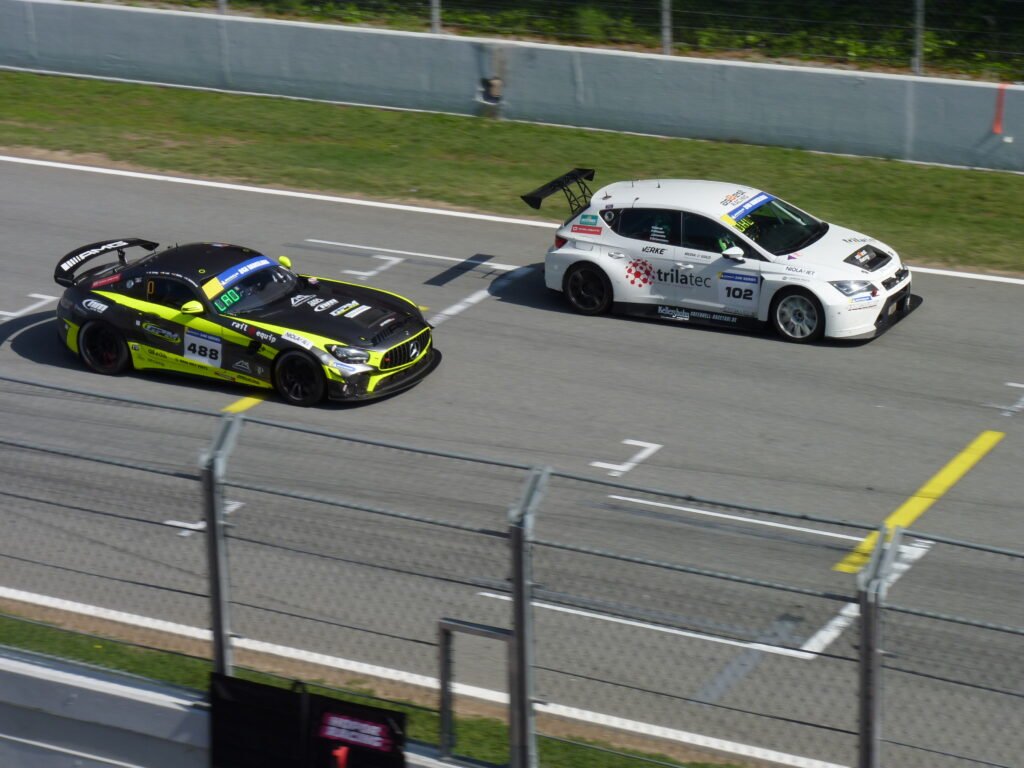
By the 2020s, the 24 Hours of Barcelona was no longer a newly revived event.
It was established.
The 2024 edition marked the 25th running of the race, with CREVENTIC describing Barcelona as its biggest European event and one of its most popular races. Almost 40 entries had already been received before the event, with 39 entries from 34 teams confirmed at the time of the provisional entry list.
The grid also showed how far the race had evolved.
GT3 remained as the most important category, but the event featured a mixture of machinery, including GT4, Porsche 992, GTX aTCR and TCE.
The race had found its formula.
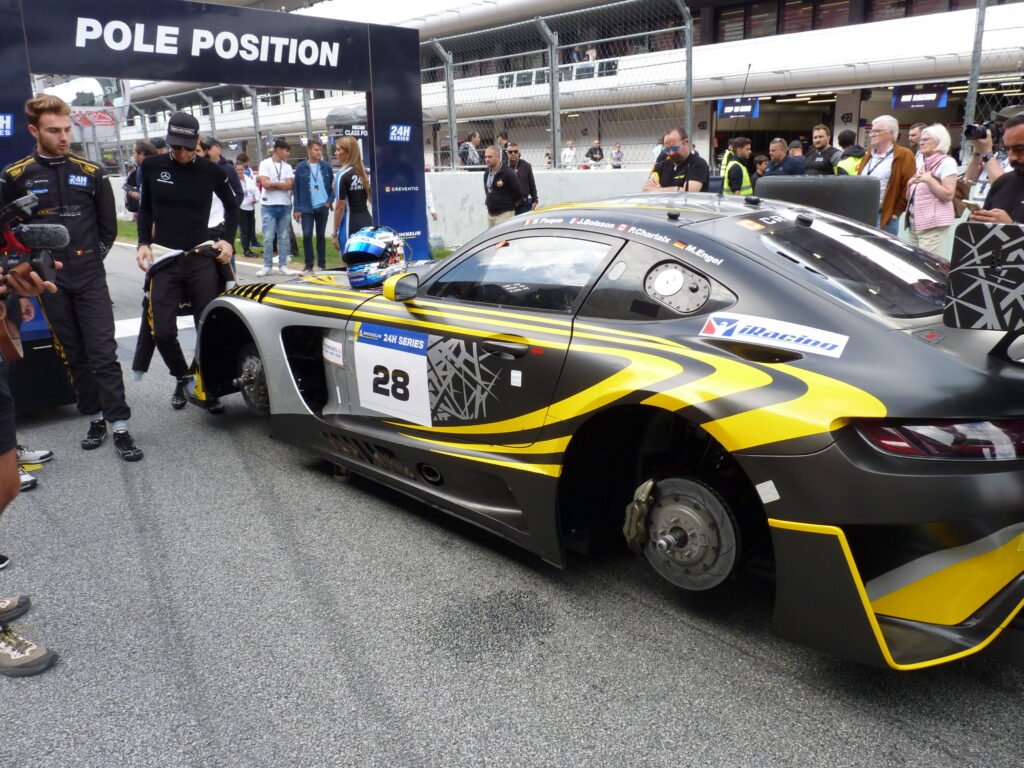
Numbers that tell the story
The recent entry figures are particularly interesting, the race does not getting bigger every year.
Instead, it has established itself with an stable international grid.
In 2024, 36 entries, in 2025 33 entries took part for the major race, and for the next 2026 edition we can expect around 30-35 entries.
Those numbers are smaller than the huge fields seen during the early years. But that does not necessarily represent a decline. The modern 24 Hours of Barcelona is a fundamentally different race.
It no longer needs identical touring cars to create a strong field as it was with Seat Cupra on the early years. Instead, its grid is made up of different classes, manufacturers, privateer teams competing within the same 24-hour event.
The objective is no longer simply to have the biggest possible grid.
It is to have a sustainable one.
Barcelona becomes the finale
Another sign of the race’s position within modern endurance racing is its place on the calendar.
Barcelona has become the traditional European season finale of the 24H SERIES.
That role continues in 2026, with the Michelin 24H Barcelona scheduled as the championship-deciding final round of the European Series.
And also recently it would be same line for 2027 edition. With realease calendar we can say Barcelona had again the season finale.
That gives the race an importance beyond the event itself.
Teams arrive in Barcelona not only looking for a 24-hour victory, but potentially fighting for championships.

What comes next?
So, where does the 24 Hours of Barcelona go from here?
The answer probably isn’t simply with biggest grid.
The recent years suggest that the race has already found a sustainable level of participation. The bigger challenge is maintaining that position while keeping endurance racing accessible to the teams that make up the grid. Quick reminder a 24H race is a huge amount of money for just a weekend.
CREVENTIC has continued adapting they regulations and championship structure, while Barcelona remains one of the key events.
And there is another advantage.
The Circuit de Barcelona-Catalunya already has something that cannot be created overnight:
history.
The race has been held there since 1998, survived the end of its first era, returned under a completely new concept and has now spent more than a decade as an international endurance event.
That history gives Barcelona something many newer endurance races do not have.
From Montjuïc to GT3
The story of the 24 Hours of Barcelona is therefore not really a story about one race.
It is a story about how endurance racing in Barcelona evolved.
From the streets of Montjuïc to the permanent track as Montmeló.
From touring cars to GT3.
And from a predominantly national event to an international field.
The cars have changed, the regulations have changed, the teams have changed.
Even the identity of the event has changed.
But the fundamental challenge has remained the same.
Keep racing for 24 hours.
And today, Barcelona no longer has to prove that its 24-hour race belongs on the endurance calendar.
It already has its place.
The next challenge is simply to keep it there.
The story of the 24 Hours of Barcelona is not over.
It is still being written.
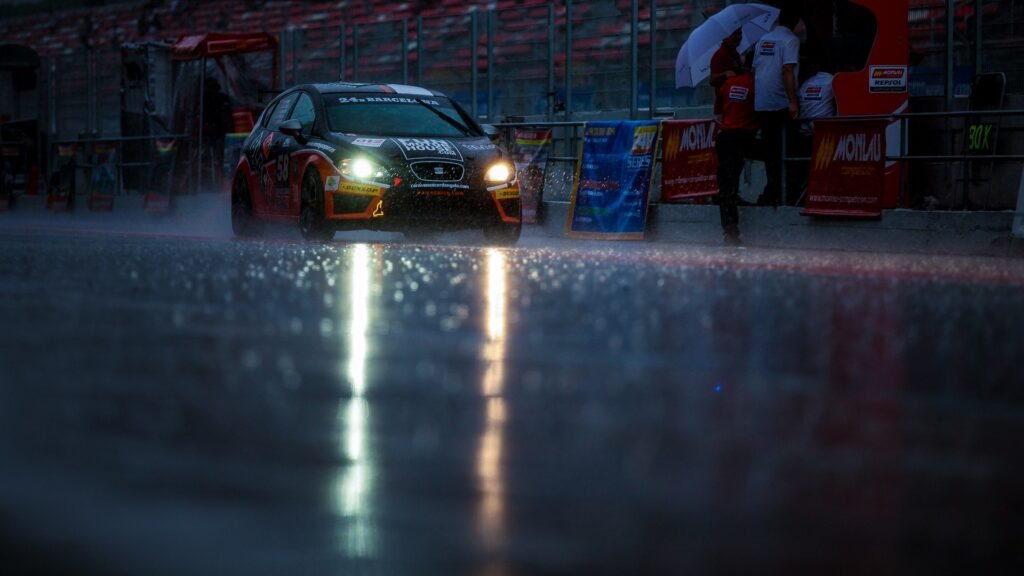
Thank you very much for read all the full story of the 24H Barcelona, if you liked our articles please, give yourself a bit more of time for read the following articles!
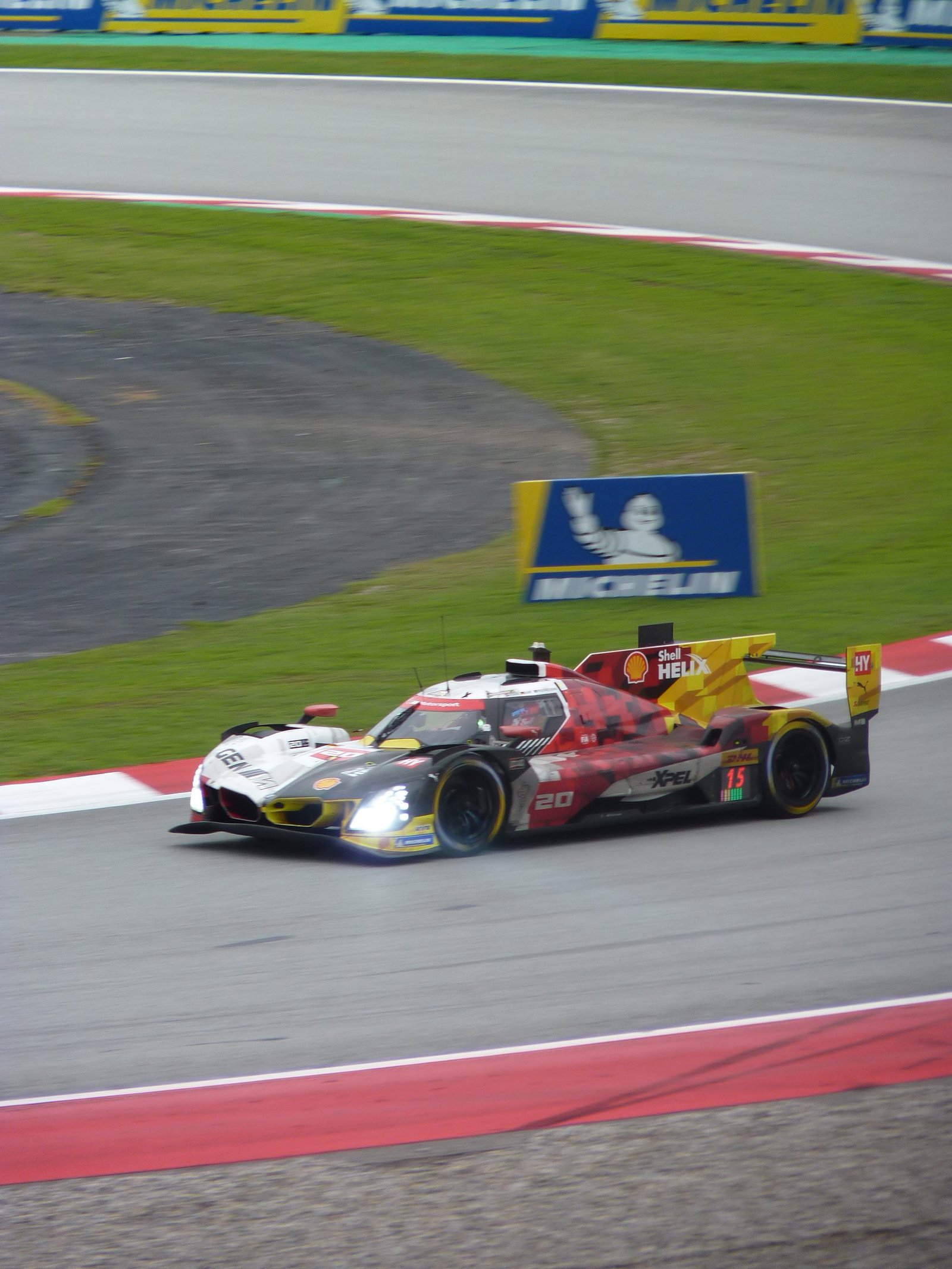
Six Hours, One Winner: Toyota Conquers Barcelona
Toyota locked up the 2026 FIA WEC manufacturers title with a one-two finish at the first-ever 6 Hours of Barcelona.…
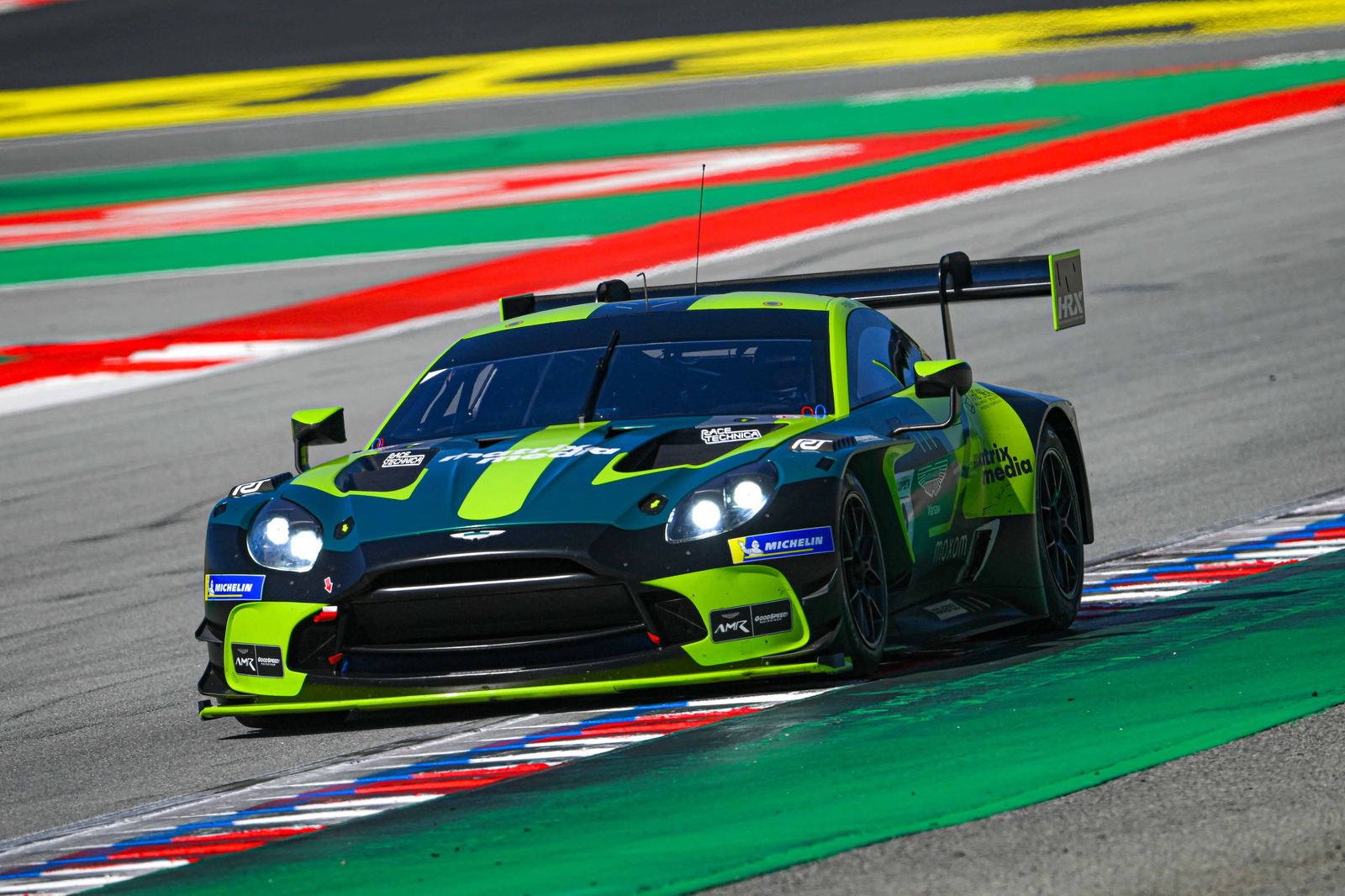
GT Open Barcelona: Who Will Win the 2026 Title?
The 2026 International GT Open heads into its final round at the Circuit de Barcelona-Catalunya with the championship still very…
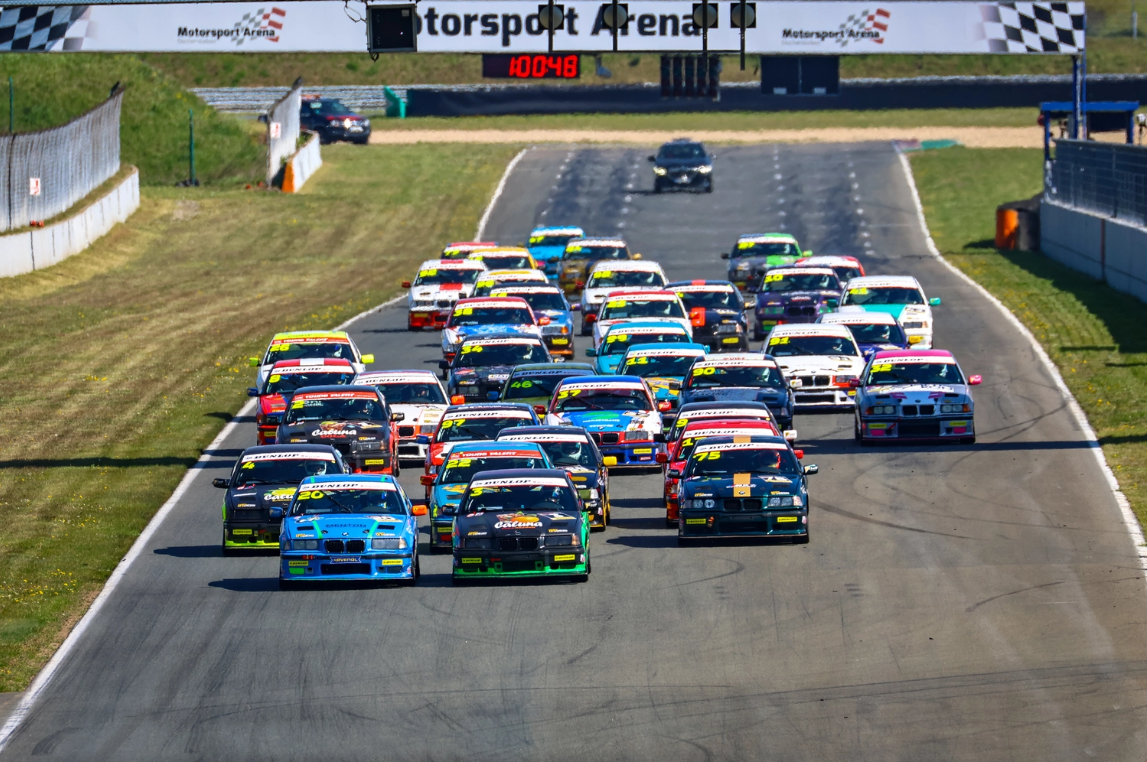
BMW 318ti Cup: Who Will Win the Championship?
The 2026 DMV BMW 318ti Cup is heading into its final chapter. Five race weekends across Germany and Belgium are…
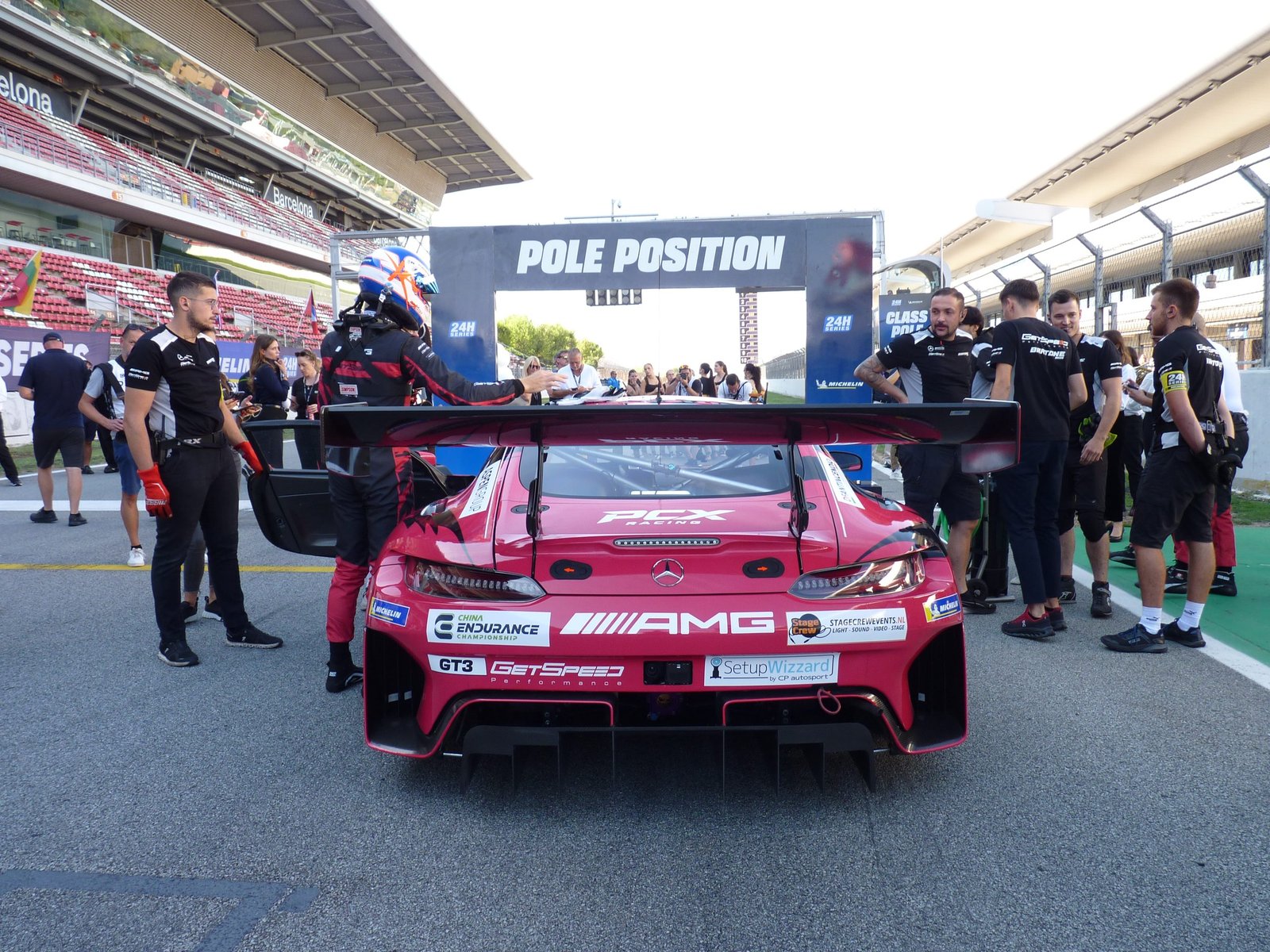
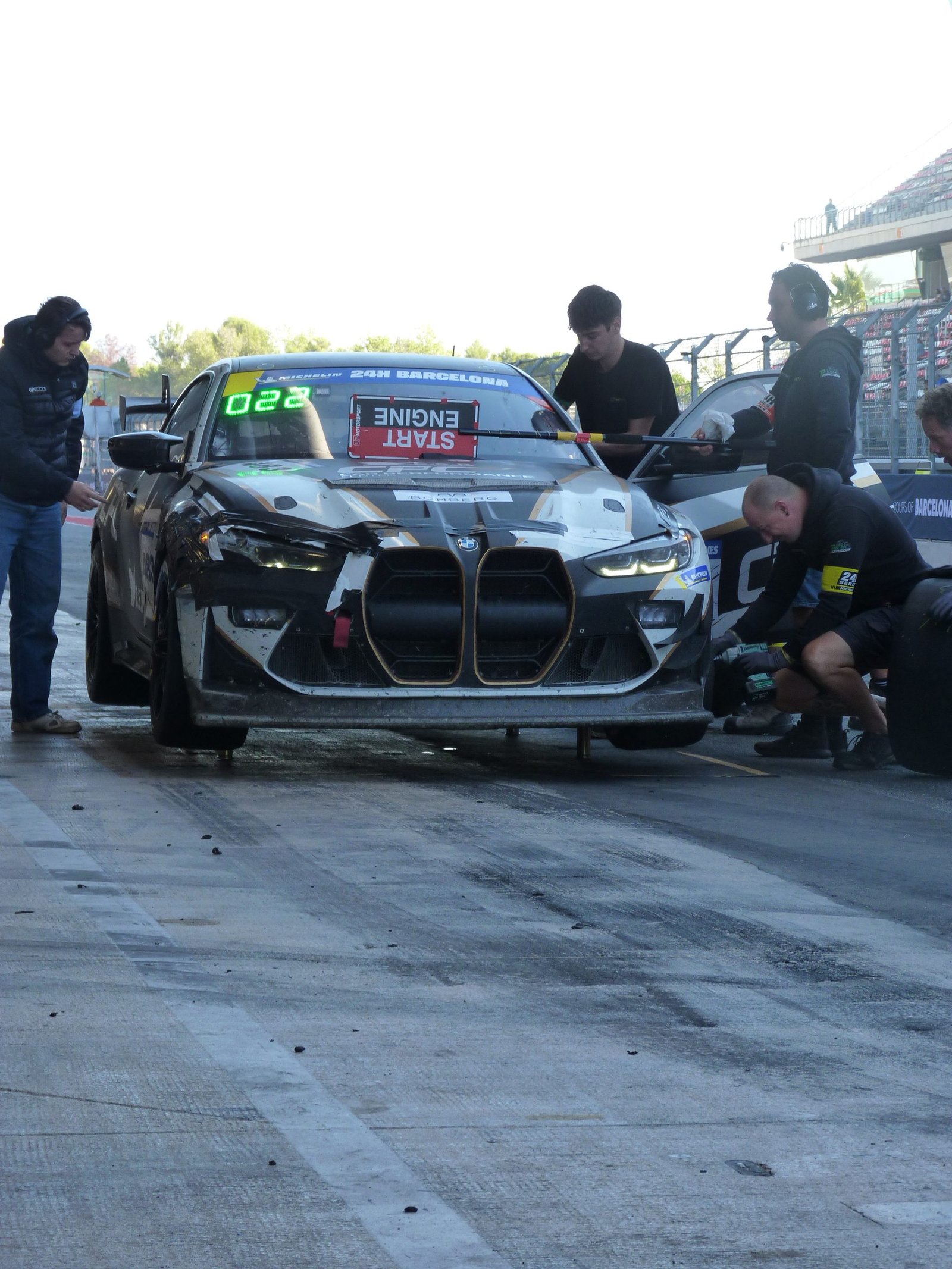
24H SERIES European Series: The Season That Went Down to the Wire
The 2026 Michelin 24H SERIES European Series did what endurance racing is supposed to do. Five rounds, different winners every…
https://www.24hseries.com/news/michelin-24h-series-european-series-2026-calendar-revealed
Leave a Reply