
PART I — The Beginning
Barcelona’s racing heritage dates back way before the GT3s, the modern Circuit de Barcelona-Catalunya and the international endurance platform that is the 24H Series.
And if we want to know where the 24 Hours of Barcelona came from, we have to go back to a very different Barcelona.
A Barcelona of racing, not on a purpose-built circuit surrounded by grandstands and hospitality buildings, but on the streets of Montjuïc.
Where Barcelona fell in love with endurance sports
And the story starts with motorcycles.
The first 24 Hours of Montjuïc was organized in 1955 by the Penya Motorista Barcelona and was inspired by the famous 24 Hours of Le Mans. The idea was simple, but tough: production-based motorcycles would ride for a whole day and nite thru the streets of Barcelona, with two riders per bike.
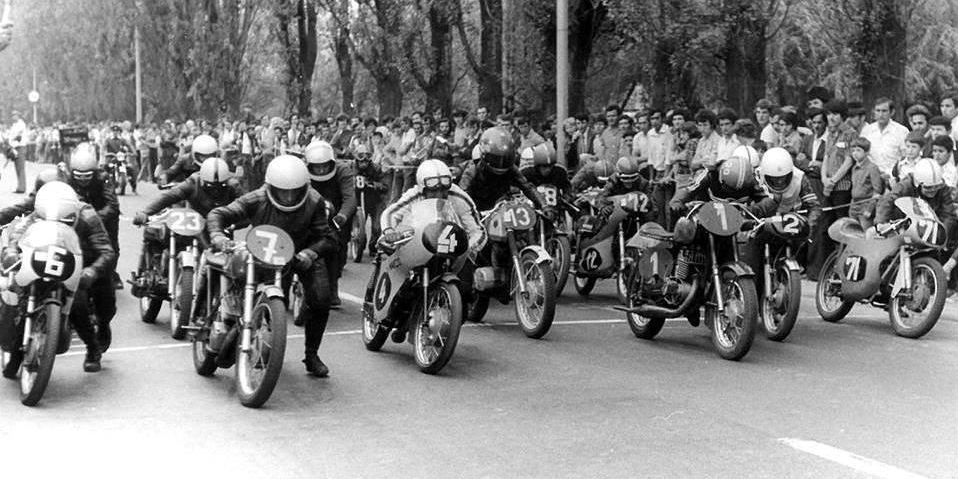
With a Montesa Brío 125 were Juan Soler Bultó and Josep Maria Llobet “Turuta” the first winners of the history.
What started as a local endurance test would become one of the most important motorcycle endurance races in Spain, attracting riders and manufacturers from all over the world.
The sound of racing motorbikes was part of the identity of Montjuïc for more than three decades. The 24 Hours became an International event and from 1960 was part of the World Endurance Championship in its various forms.
But Barcelona’s romance with endurance racing went beyond two wheels.
Then the vehicles
As the 1960s progressed, cars started to carve out their own chapter in the endurance story of Montjuïc.
The first 6 Hours of Barcelona took place on the street circuit in 1967. It brought together a bizarre mix of machines, from Porsche 911s and Ford Anglias to Renaults, Minis, SEAT 600s and Mercedes-AMG.
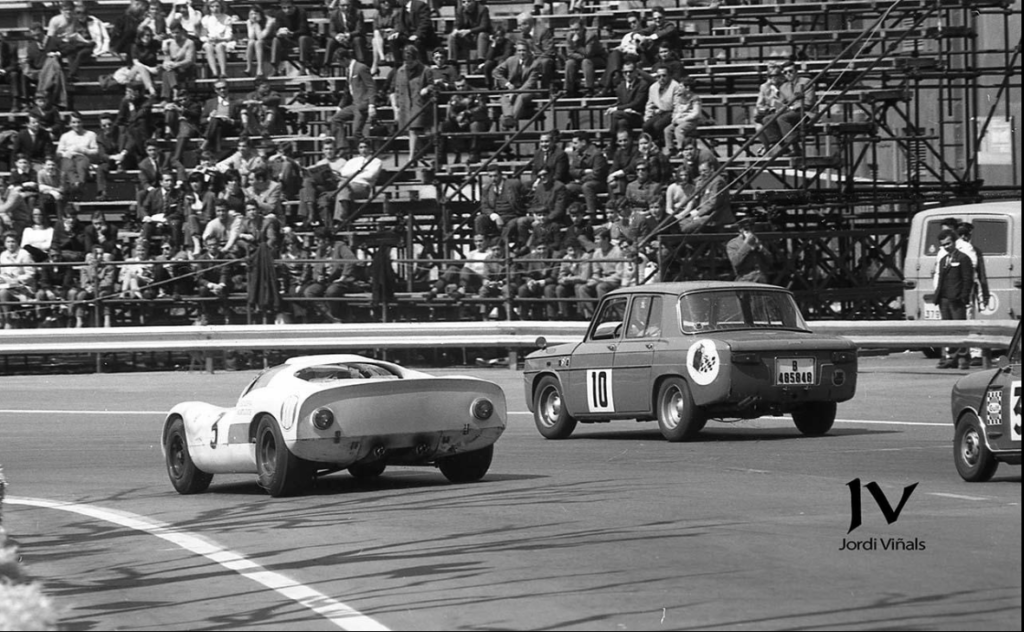
Overall winners were Javier de Vilar and Juan Fernández in a Porsche 911 S. They made 169 laps, more than 640 km around Montjuic.
One year on and the cars were back.
1968 6 Hours of Barcelona One of the most memorable victories in the circuit’s endurance history. Winner: Ford GT40. Drivers: Paco Godia, Brian Muir. Team: Escuderia Montjuich.
The evolution continued fast.
The event would become the 12 Hours of Barcelona, extending it to 12 hours from the original six in 1969. Escuderia Montjuich Godia and Juan Fernández won the race in a Porsche 908. Two years later Montjuic endurance racing evolved again, this time to the 1000 km of Barcelona
But Barcelona already knew the basic vocabulary of an endurance race: long distances, driver changes, mechanical survival and the constant tug-of-war between speed and reliability.
But these races were not yet the 24 Hours of Barcelona.
That chapter would come next.
For that, Barcelona would need a new home.
Part II — A New Home for Endurance
Montjuïc had provided Barcelona with decades of racing history.
But by the late 1980s the legendary street circuit was no longer fit for purpose in terms of modern motorsport. Barcelona needed a new home, a permanent circuit to carry the city’s racing tradition into a new era.
That place would be at Montmeló.
Barcelona gets new racing home
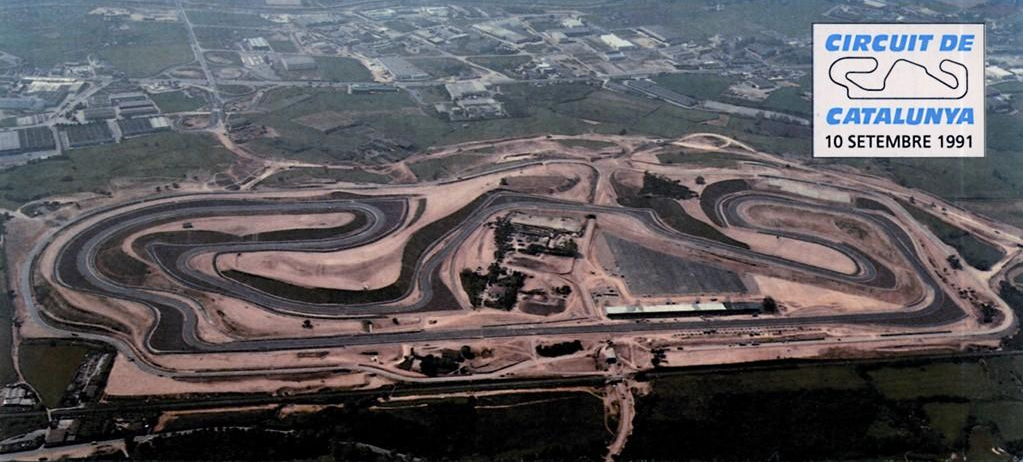
10 September 1991 saw the official opening of the Circuit de Catalunya.
A permanent, modern racing facility – something Barcelona had never had before – capable of hosting the highest levels of motorsport was the outcome of this project, which was developed collaboratively by the Generalitat de Catalunya, the Reial Automòbil Club de Catalunya and the Municipality of Montmeló.
The first competitive event held was the Spanish Touring Car Championship, five days after the inauguration of the circuit. Later that same month Formula 1 visited the Spanish Grand Prix, putting the new circuit on the international motorsport map.
But the new circuit was not constructed solely for Formula 1.
The Circuit also wanted to carve out an identity of its own.
And endurance racing was part of that identity.
Bringing 24 Hours races back
The first step was taken in 1995 when the Circuit organized the 24 Hours of Catalonia for motorcycles.
In this way Montmeló was not just doing another endurance race. It was picking up a tradition started four decades earlier in the streets of Montjuic.
The motorcycles were back.
But something was still lacking.
The automobiles.
For decades Barcelona had been the scene of big endurance races, but never a real 24-hour race for cars that bore the city’s name.
That changed in 1998.
1998 – Barcelona’s first 24 hours
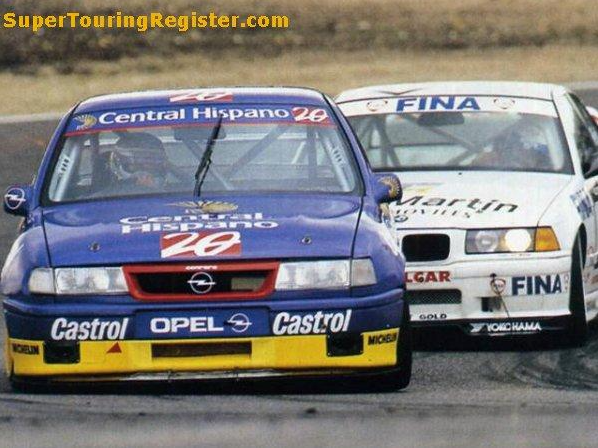
The inaugural 24 Horas de Barcelona de Automovilismo took place at the Circuit de Catalunya on 20 and 21 June 1998.
It was quite different from the international race we know today.
There were no grids full of GT3 machinery from across Europe. There wasn’t a 24H series. There were no big professional operations going from one country to another.
In fact the first race was mostly an amateur and regional endurance race, organized by the RACC and thot to gather local teams, touring cars and gentleman drivers.
The race was held on the 3.069-kilometre National layout of the circuit, rather than the full Grand Prix layout.
The 25-car grid featured BMW M3s, Audi A3 TDI, Honda Integras, Citroën Saxos and SEAT Ibizas. It was a far more modest field than the international grids to which the event would eventually attract, but the principle was already there:
Get a car. Get a few drivers together. Live a 24 hours race.
And at the end of those first twenty-four hours, one car stood above the rest.
Auto Bétulo entered the BMW M3 of Gamace Competició driven by Francesc Gutiérrez, Javier Buch, Pau Romero and Santiago Puig.
The foursome completed 918 laps of the National circuit, crossing the line first to take victory in the inaugural 24 Hours of Barcelona. They finished 17 laps ahead of the Catalunya Motor SEAT Ibiza TDI.
But in 1998 no one could know what the race would turn into.
The event was still modest.
It was still neighborhood.
And it was still discovering what it was.
But Barcelona finally had its own 24-hour race.
The Montjuïc tradition that had begun with motorcycles had found a new home in Montmeló.
And the next chapter would see the 24 Hours of Barcelona grow well beyond its Catalan roots.
In the Meanwhile we publish the Part 3 and more
You can whatch the following articles;
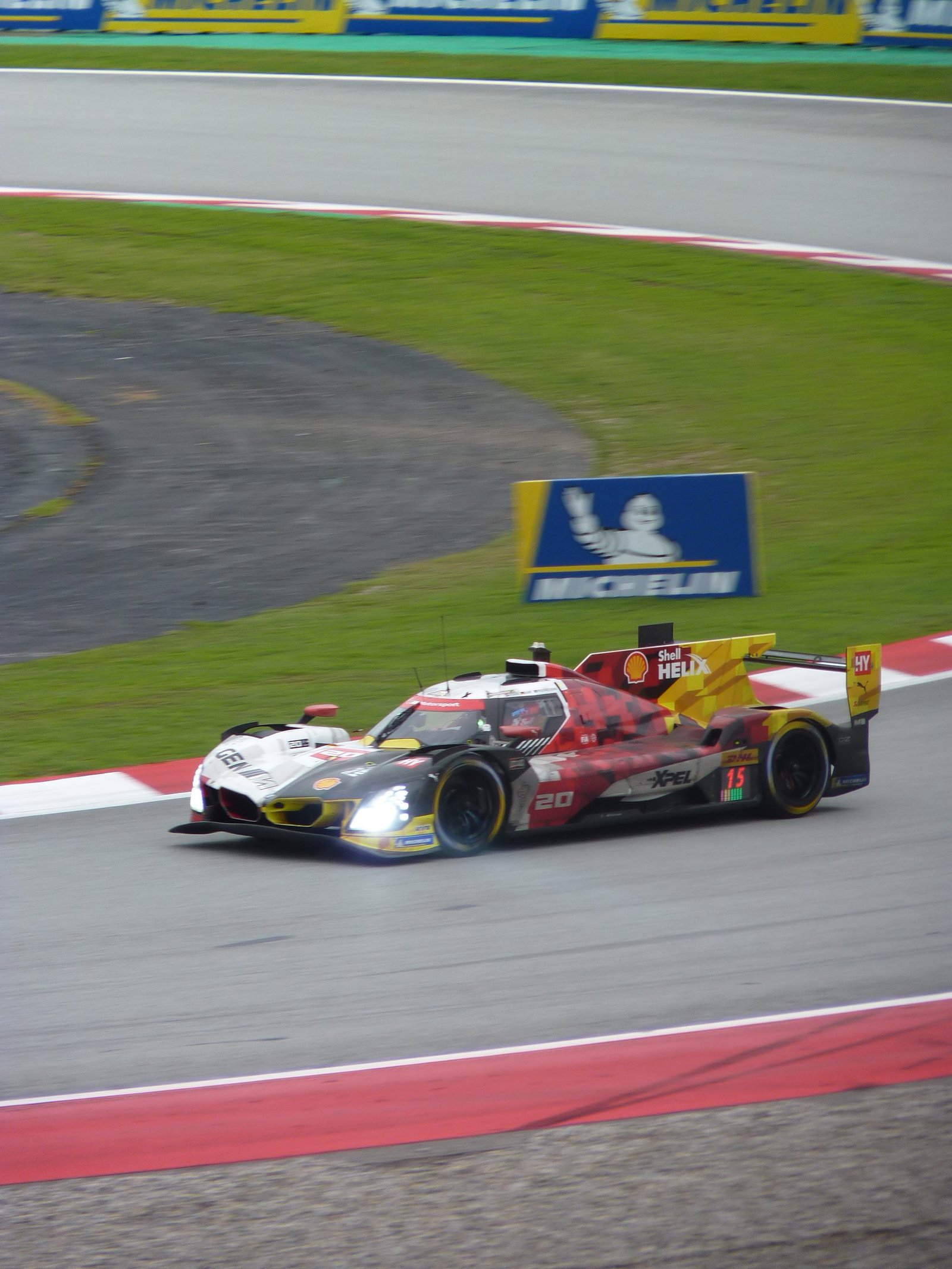
Six Hours, One Winner: Toyota Conquers Barcelona
Toyota locked up the 2026 FIA WEC manufacturers title with a one-two finish at the first-ever 6 Hours of Barcelona.…
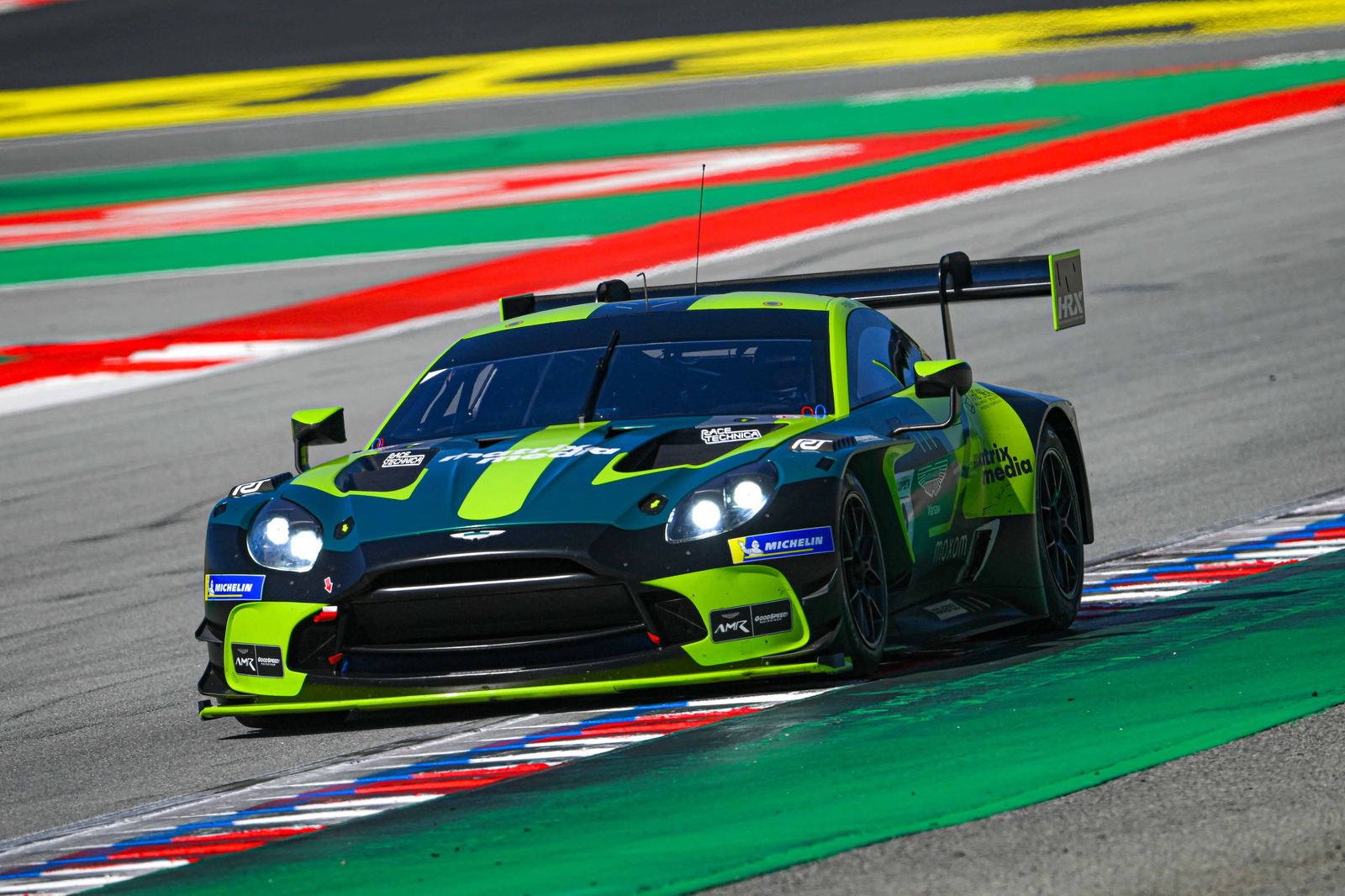
GT Open Barcelona: Who Will Win the 2026 Title?
The 2026 International GT Open heads into its final round at the Circuit de Barcelona-Catalunya with the championship still very…
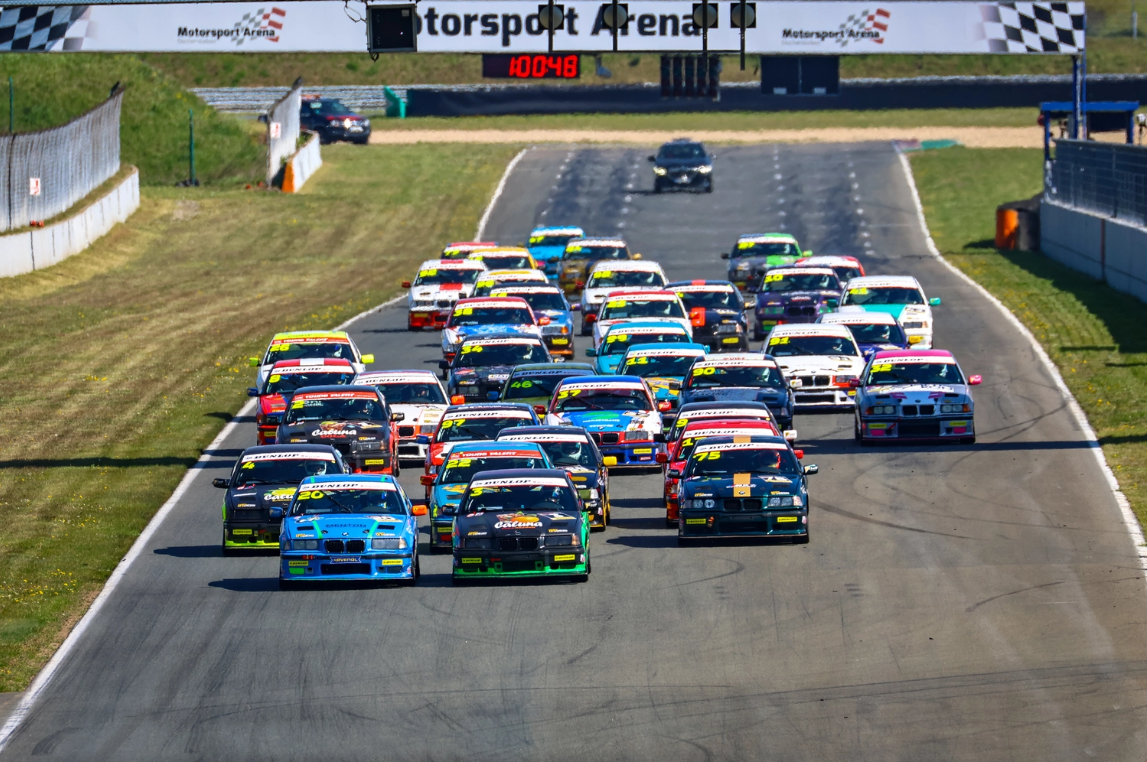
BMW 318ti Cup: Who Will Win the Championship?
The 2026 DMV BMW 318ti Cup is heading into its final chapter. Five race weekends across Germany and Belgium are…
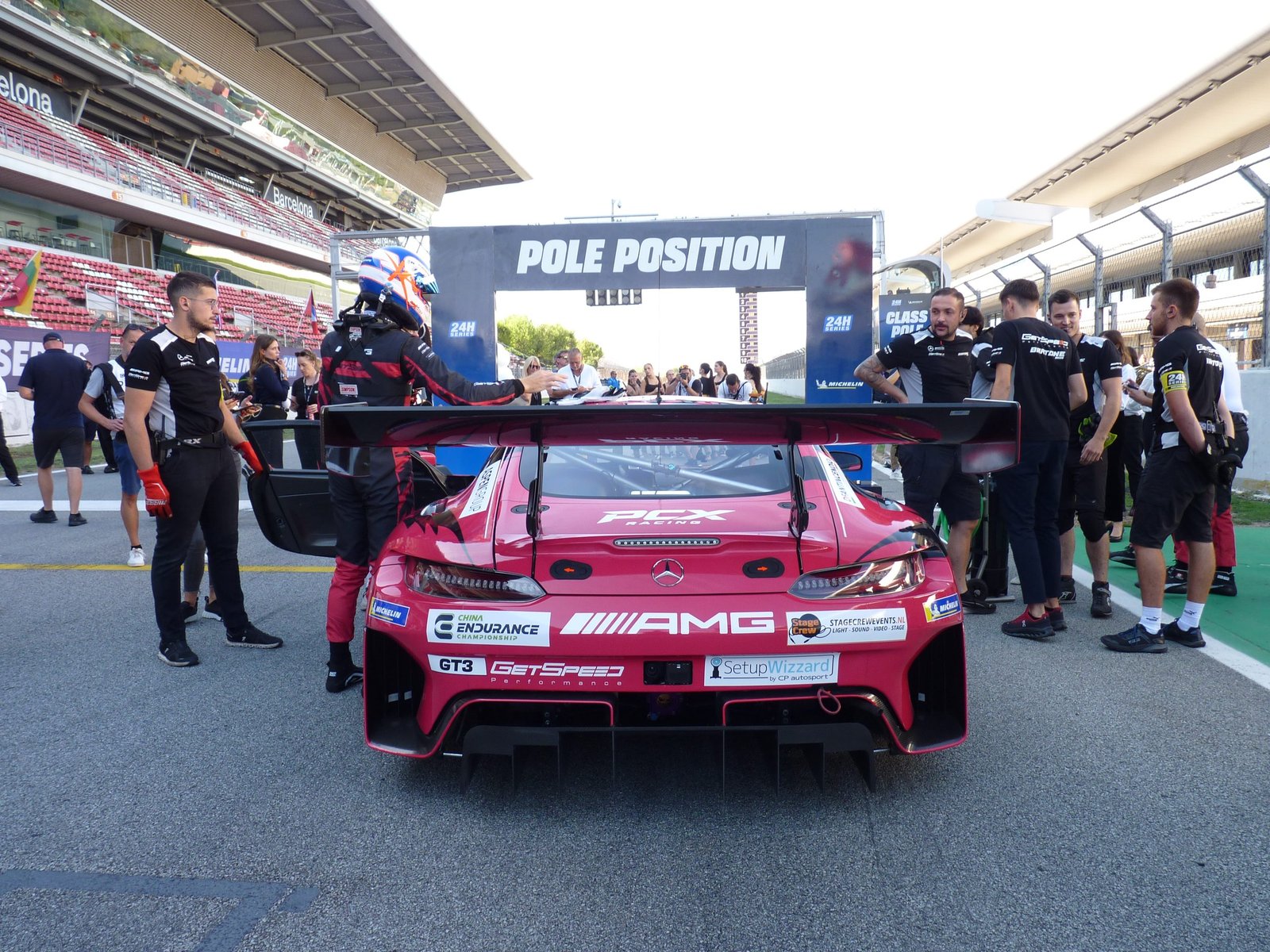
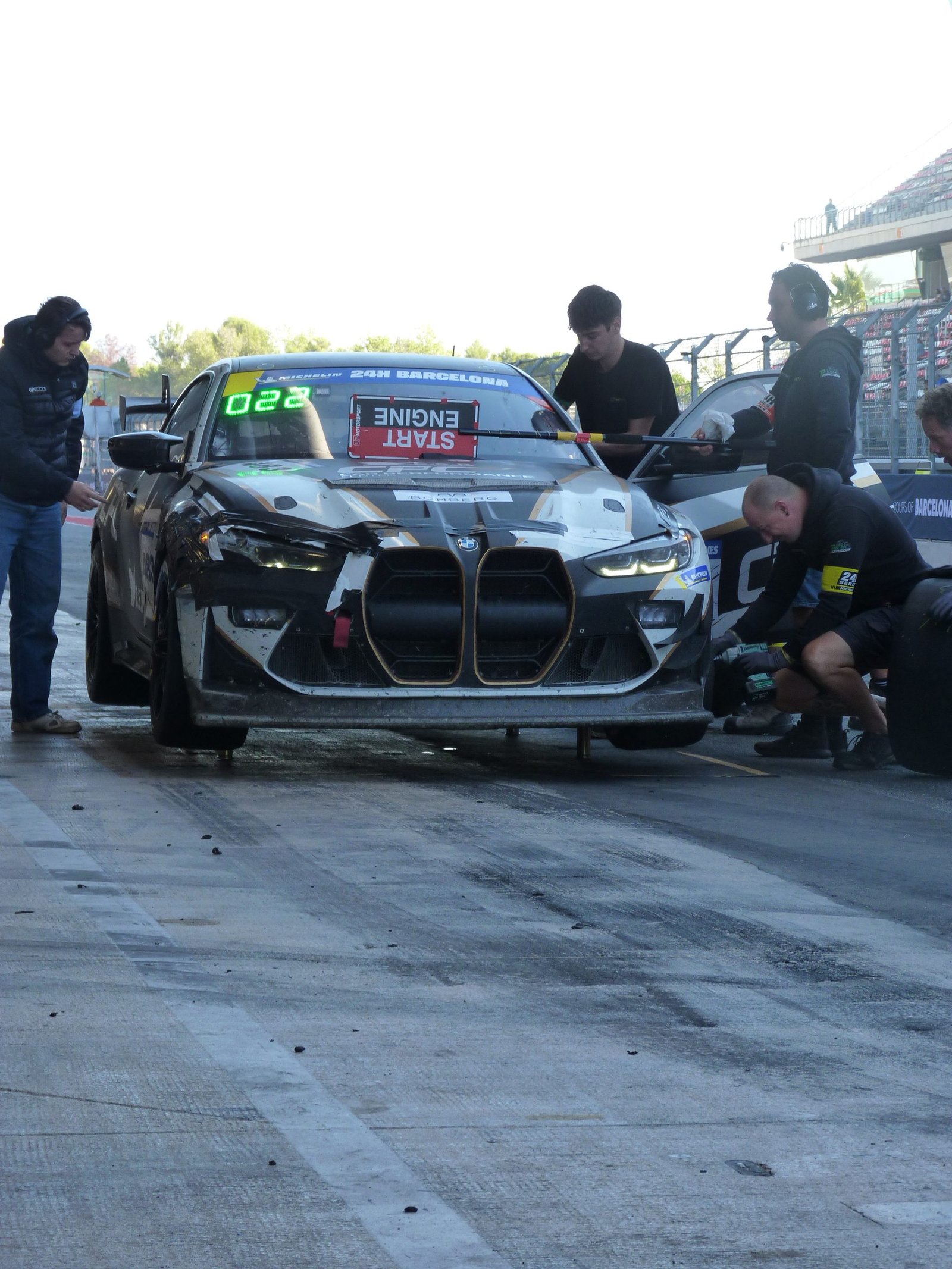
24H SERIES European Series: The Season That Went Down to the Wire
The 2026 Michelin 24H SERIES European Series did what endurance racing is supposed to do. Five rounds, different winners every…