
Currently motorsport is experiencing one of the best times ever in its history and, without question, endurance racing is going through a real golden age.
Regional and global titles show full fields, many more makers, and rising fan interest worldwide.
Events like the FIA World Endurance Championship (WEC), IMSA, plus others see record attendance and interest. Strong vehicles, big-engines, and loud exhaust noises make a great mix to draw fans—maybe Formula 1 should learn some lessons…
Yet, regarding those entering endurance racing, the many championships and vehicles available may feel too much. This is because, within EnduVision, we have made this guide so that you find principal endurance racing classes, see their important traits, and know where every group races.
Hypercar
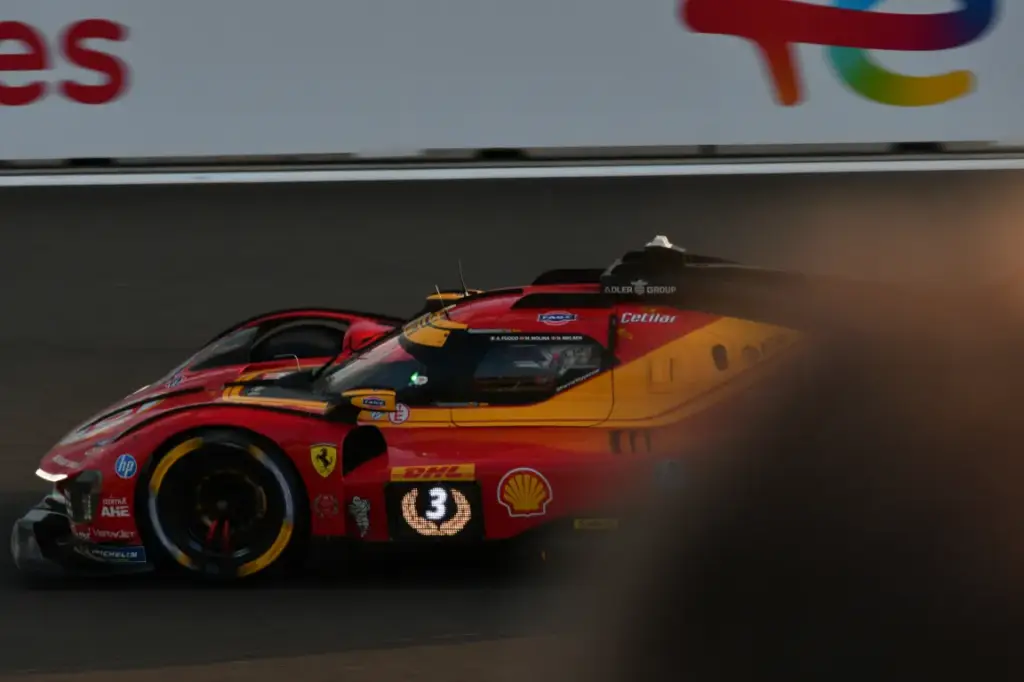
Hypercar stands at the very top of endurance motorsport today. Launched back in two thousand twenty-one, it took over from the famous LMP1 group, uniting major global makers into one rulebook and now acts as the main class inside the FIA World Endurance Championship plus the twenty-four hour race at Le Mans.
Its objective was clear: to cut down on huge expenses linked to old LMP1 rules yet keep tech progress and exciting racing which has long marked endurance motorsport.
Currently, the Hypercar class has two separate rulesets: LMH (Le Mans Hypercar) and LMDh (Le Mans Daytona h).
LMH and LMDh: Two Ways To Reach The Same Objective.
While they contest within identical categories and vie for total wins, their growth mindsets differ greatly.
LMH vehicles give makers far more technical liberty. They build their own frames, create their own aero parts and, should they pick hybrid tech, they may also craft their own powertrain inside FIA and ACO rules.
On the contrary, LMDh vehicles were built mainly to lower expenses. They utilize a frame provided by one of four sanctioned makers (Dallara, Oreca, Ligier or Multimatic) plus a uniform hybrid setup used by everyone. Every maker builds its specific gasoline motor and outer shell parts, letting each label preserve its unique character.
Regardless of variations, two rules contest fairly due to Balance of Performance (BoP).
Technical Specifications
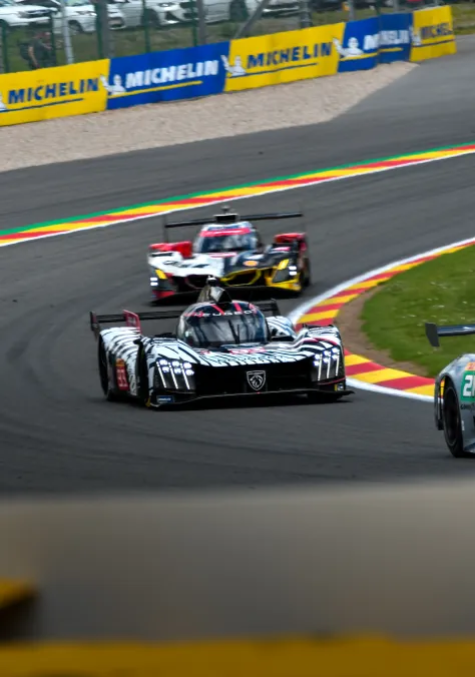
Maximum power: about 680 hp (500 kW), controlled via BoP.
Minimum weight: 1,030 kg.
Engine: Permitted by technical rules. Builders utilize proprietary powertrain layouts including V6, V8, non-turbo V12 units, forced induction motors, among others.
Hybrid system: Optional for LMH, mandatory for LMDh.
Top speed: More than 330 km/h based upon the track.
Aerodynamics: Much more sophisticated yet still limited compared to the LMP1 period so that expenses can be managed and maker results balanced properly.
Where do they race?
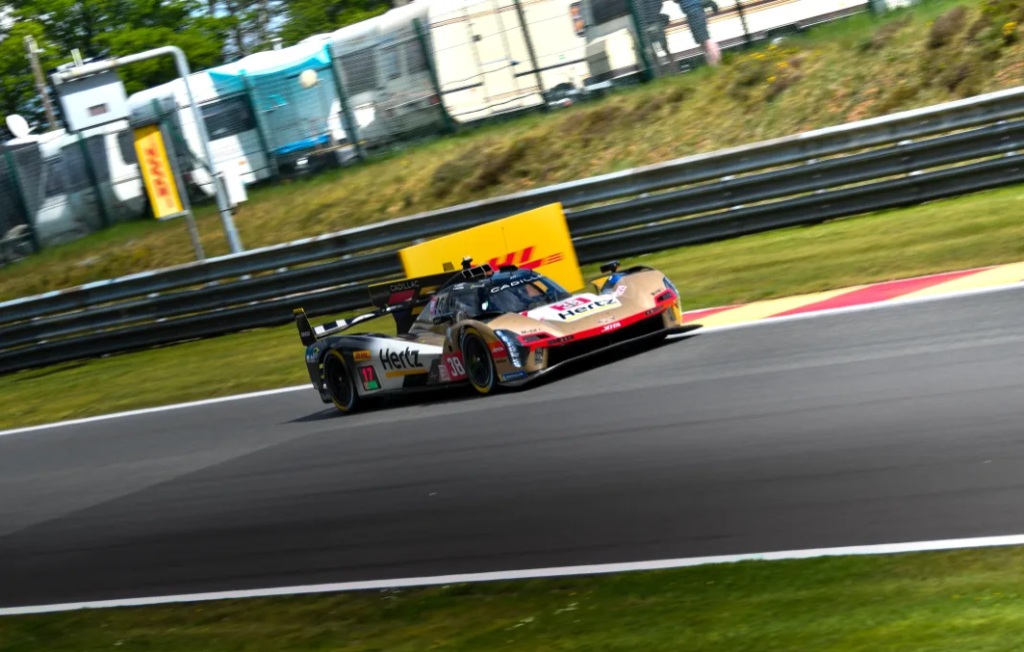
FIA World Endurance Championship (WEC).
24 Hours of Le Mans.
IMSA WeatherTech SportsCar Championship (LMDh vehicles and approved LMH entries may race due to rule alignment).
Current Manufacturers
Ferrari
Toyota
Porsche
Cadillac
BMW
Peugeot
Alpine
Aston Martin
What Makes Hypercar Special?
Hypercars are the sole motorsport class allowing makers to construct exclusive prototypes built solely for winning top honors at global elite endurance events.
It remains distinct by enabling two entirely separate technical approaches LMH and LMDh to race alongside one another inside the single class via the Balance of Performance mechanism. Such merging produced the biggest manufacturer-supported endurance competition field since the prime years of Group C and LMP1, solidly making Hypercar the tech standard for current endurance motorsport.
LMP2
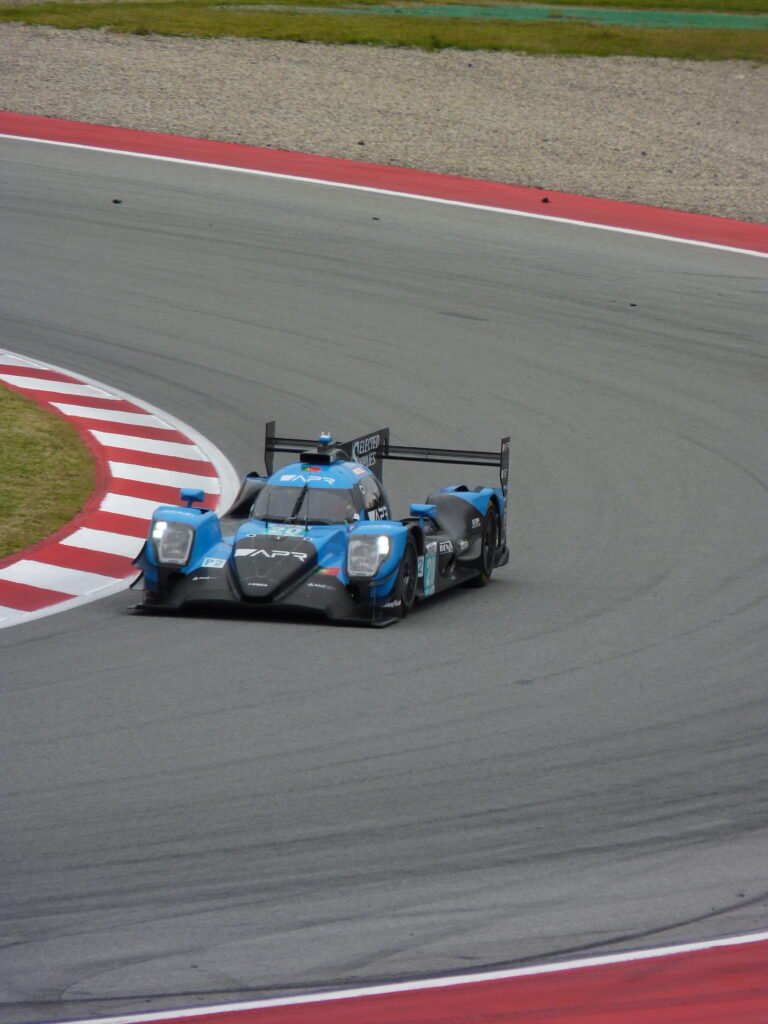
If Hypercar stands at the peak of endurance racing, then LMP2 serves as the subsequent rung on that ladder. Built to provide strong performance yet limit expenses, this class now acts as the standard for independent squads and the obvious route for numerous racers seeking entry into Hypercar.
Contrary to the premier category, LMP2 lacks support from official works constructors. All squads utilize nearly identical machinery, so performance gaps stem primarily from driver skill, engineering work, and tactical planning.
A Regulations Set Focused on Equality
Throughout time, LMP2 rules changed to lower expenses and boost competition among groups.
Currently, all cars utilize the identical naturally aspirated 4.2-litre Gibson GK428 V8 engine, whereas the tire provider remains fixed throughout the class. Even though multiple chassis builders stay homologated, the Oreca 07 rules nearly the whole field because of its speed and dependability.
Another key trait of the group involves rules in numerous races demanding at least one Bronze or Silver rated driver participate, which helps allow customer squads and non professional racers to race with pros.
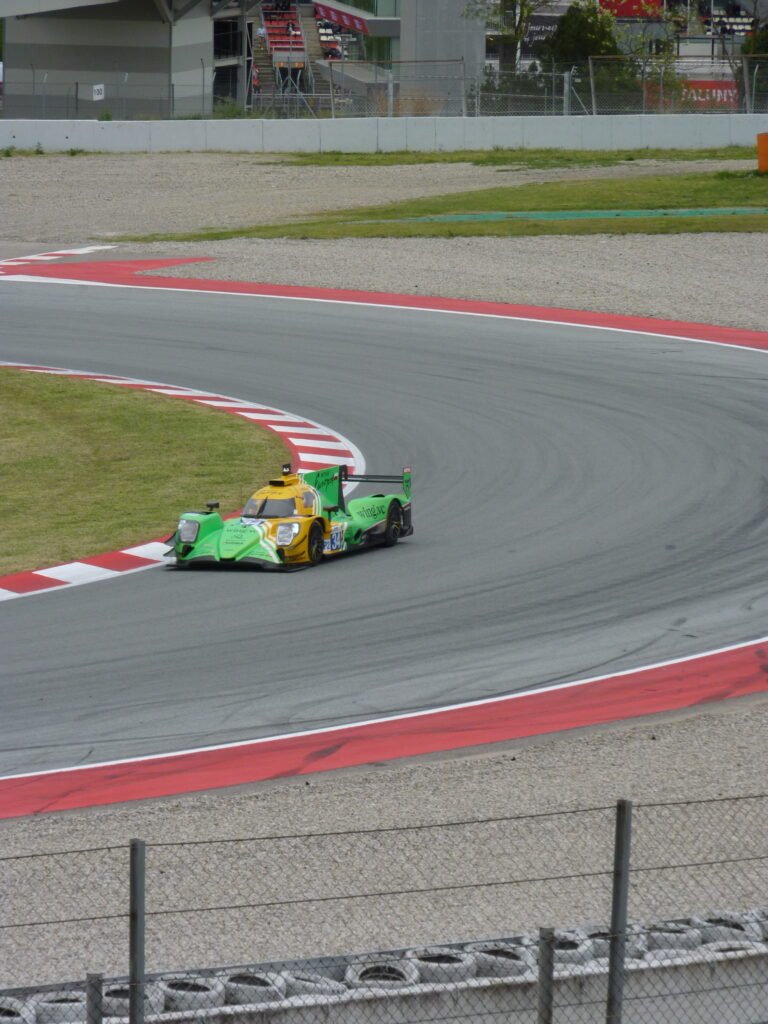
Technical Specifications
Power: Approximately 540 hp.
Minimum weight: 950 kg.
Engine: Naturally aspirated 4.2-litre Gibson GK428 V8.
Hybrid system: None.
Top speed: Above 320 km/h, based on the track layout.
Homologated chassis: Oreca, Ligier, Dallara and Riley/Multimatic (though now the Oreca 07 is basically the sole chassis at top tier).
Aerodynamics: Very efficient, though not as advanced as a Hypercar’s.
Where do they race?
- European Le Mans Series (ELMS).
- Asian Le Mans Series.
- 24 Hours of Le Mans (via invites or qualifying through linked series).
Until 2023, LMP2 served as a complete season class within the FIA World Endurance Championship (WEC). Starting in 2024, it was taken out of the series to allow space for growing Hypercar and LMGT3 fields, though it still holds significant importance at the 24 Hours of Le Mans.
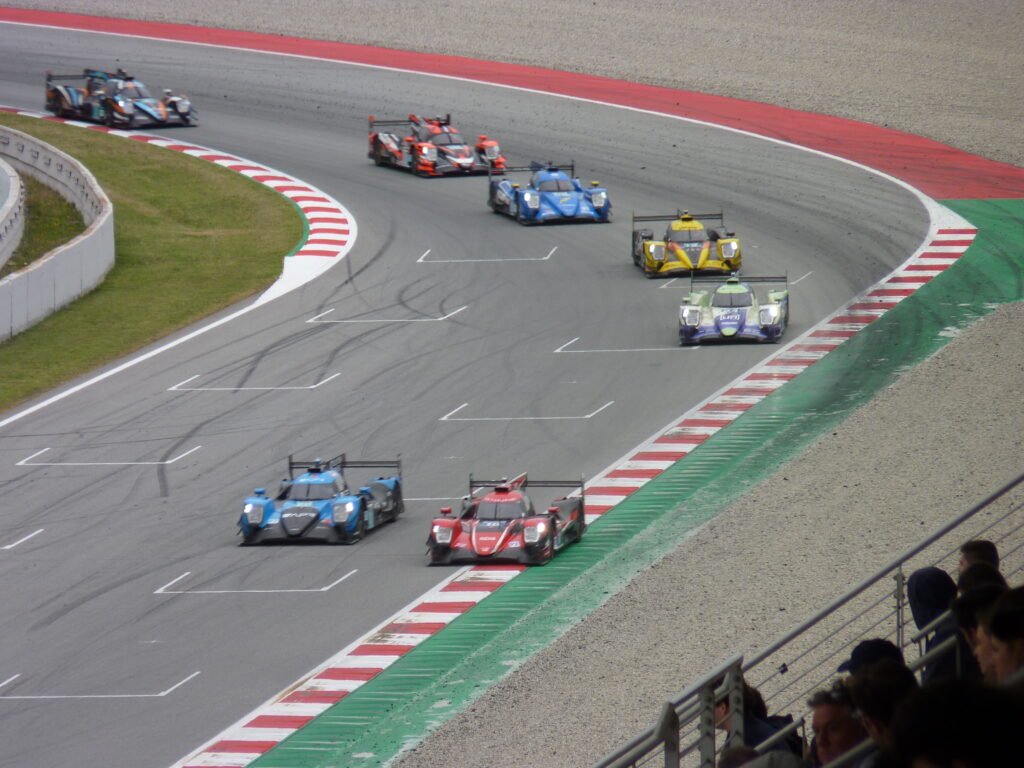
Chassis Manufacturers
Oreca.
Ligier.
Dallara.
Riley/Multimatic.
What Makes LMP2 Special?
LMP2 is generally seen as the class providing the finest mix of speed and running expenses within endurance motorsport. Their vehicles can lap very near to Hypercars on specific tracks, but they achieve this via a much less complex and cheaper set of rules.
Due to mechanical equality among rivals, contests are frequently settled via minor specifics such as tactics, traffic control, pit stop handling and driver ability. This situation renders LMP2 among the most competitive and thrilling classes within global endurance motorsport, while simultaneously functioning as the primary pathway toward the Hypercar division.
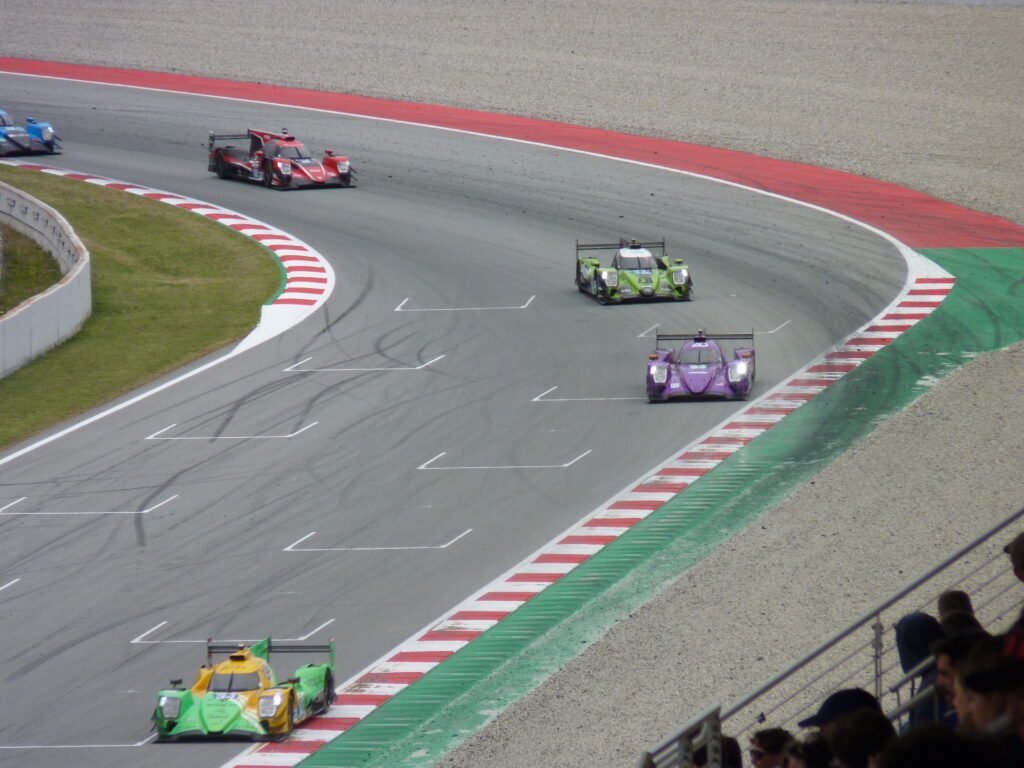
Why LMP2 Does Not Compete Together In WEC And ELMS Championships.
Even though LMP2 is not on the standard FIA World Endurance Championship (WEC) schedule anymore, that class still exists at the 24 Hours of Le Mans, having its own division and fighting for specific awards.
Currently, the primary championship remains at:
European Le Mans Series (ELMS), within which LMP2 serves as the top tier and draws many leading global private squads. Furthermore, the ELMS grants direct entry passes to the 24 Hours of Le Mans, establishing itself as a key route toward endurance racing’s most famous competition.
Basically, if you wish to track LMP2 across a full season, then ELMS is the series worth watching. If you desire to observe the class race upon motorsport’s largest platform, you will locate them each June during the 24 Hours of Le Mans.
LMP3
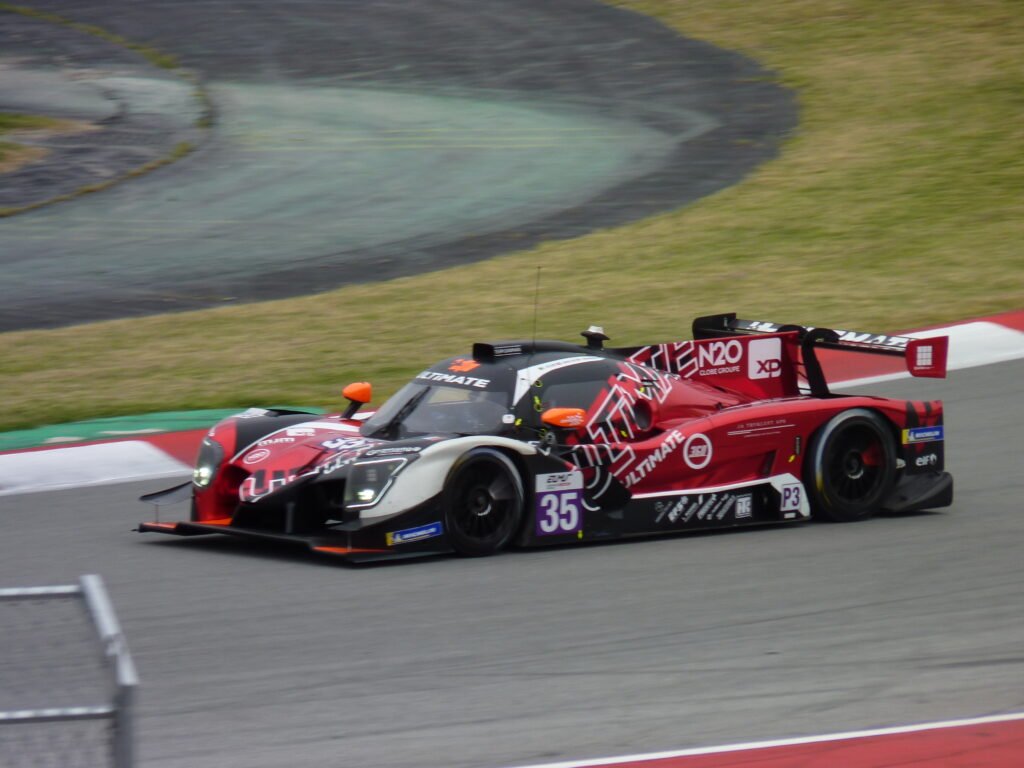
Created in 2015, the LMP3 (Le Mans Prototype 3) category has a very precise goal: the entry-level category for endurance prototypes.
LMP3 was created by the Automobile Club de l’Ouest (ACO), organiser of the 24 Hours of Le Mans, to enable teams and drivers to step from GT cars or single-seaters into prototype racing at a much lower cost than LMP2 or Hypercar machinery, but with high performance.
It is now considered the gateway to prototype endurance racing and one of the first steps for drivers who want to race at the 24 Hours of Le Mans.
Category Designed to Control Costs
Unlike the higher prototype categories, LMP3’s technical regulation is tightly controlled to ensure close competition and to help contain costs.
All the teams use an engine from one manufacturer, and can only race with chassis homologated by the ACO . This drastically cuts down the budget required to race a full season and still has the experience of driving a real endurance prototype.
LMP3 has become one of the most important development categories in international motorsport thanks to its combination of affordable costs, high reliability and strong performance.
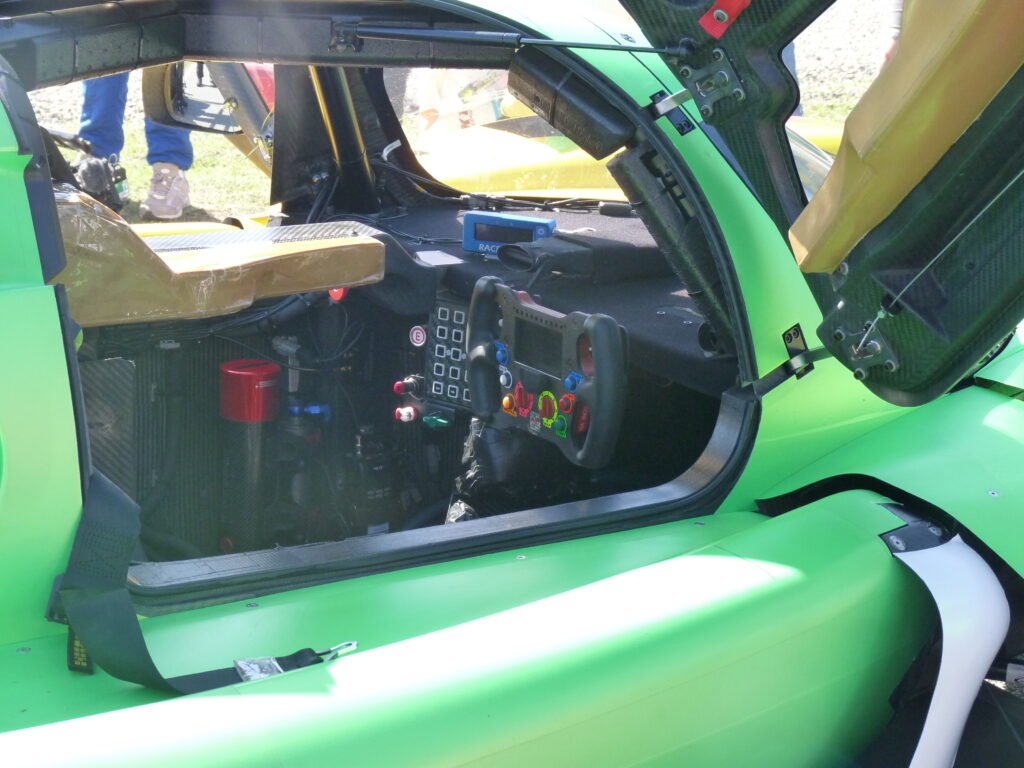
Technical Specifications
Power: 470 hp approximately.
Minimum weight: Approximately 950 kg.
Engine: 3.5-litre Toyota V6, naturally aspirated (second generation, launched in 2025).
Hybrid System: None.
Top speed: 300 km/h+ (186 mph) varies with circuit.
Homologated chassis makers are Ligier, Duqueine, Ginetta and Adess.
Aerodynamics: Very advanced for an entry level prototype, with high levels of downforce
Where Do They Race?
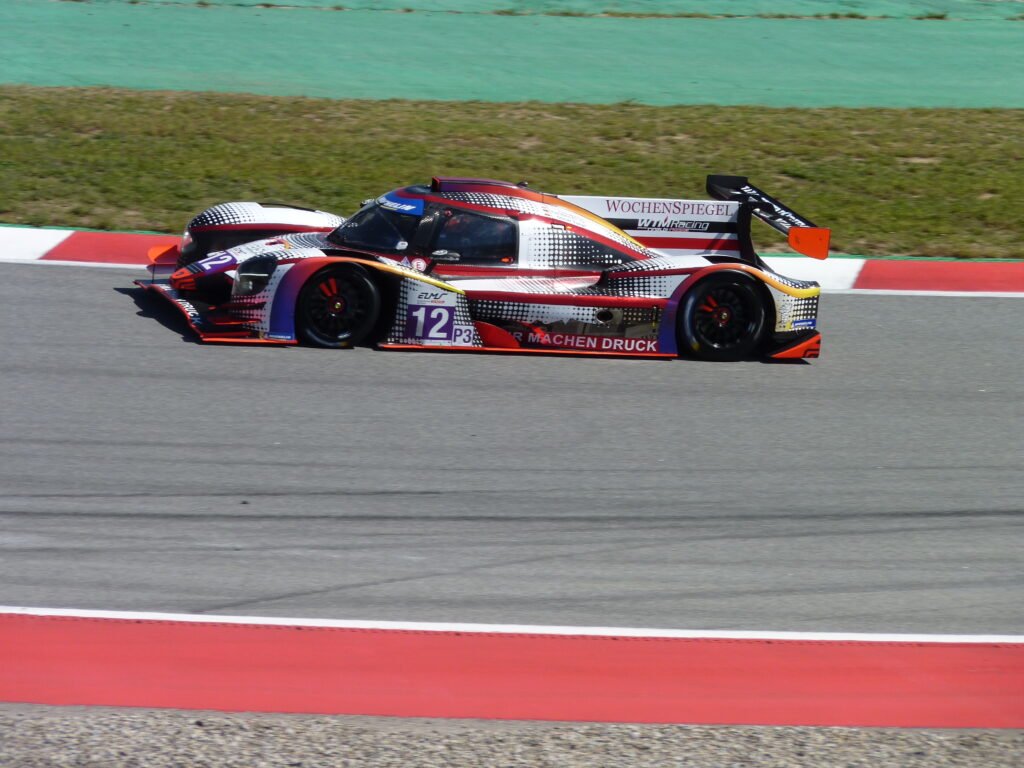
LMP3 cars are raced in several international and national championships, such as:
- Michelin Le Mans Cup European
- Le Mans Series (ELMS)
- IMSA VP Racing SportsCar Challenge
- Prototype Cup Germany
- Ultimate Cup Series
The LMP3 cars, unlike the Hypercar and LMP2, do not compete in the FIA World Endurance Championship (WEC) and the 24 Hours of Le Mans, their principal goal being a development category.
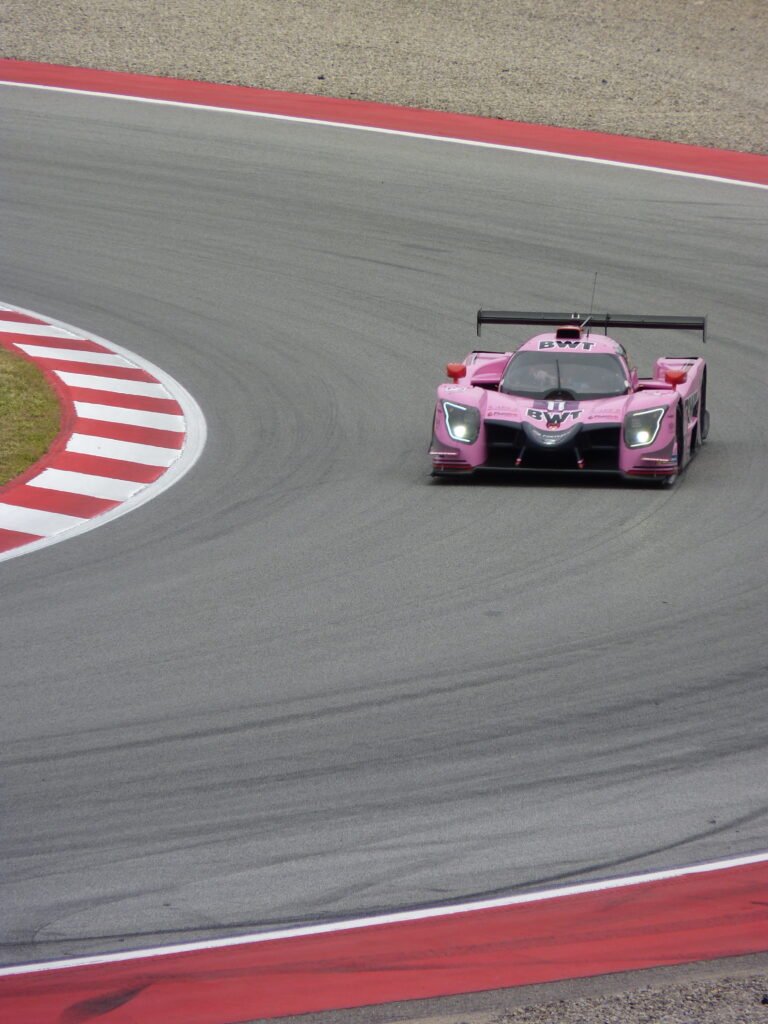
Chassis Manufacters
- Ligier
- Duqueine
- Ginetta
- Adess
What’s so special about LMP3?
This will be my first real experience driving a true endurance prototype in an LMP3. Its regulations give drivers and engineers a chance to hone vital skills such as aerodynamic management, multi-class traffic management and endurance race strategy, all at a cost significantly lower than that required at the higher prototype levels.
This has cemented LMP3 as the main stepping stone towards LMP2 and eventually the Hypercar class and is the beginning for many drivers that now compete at the highest level of endurance racing.
GT3
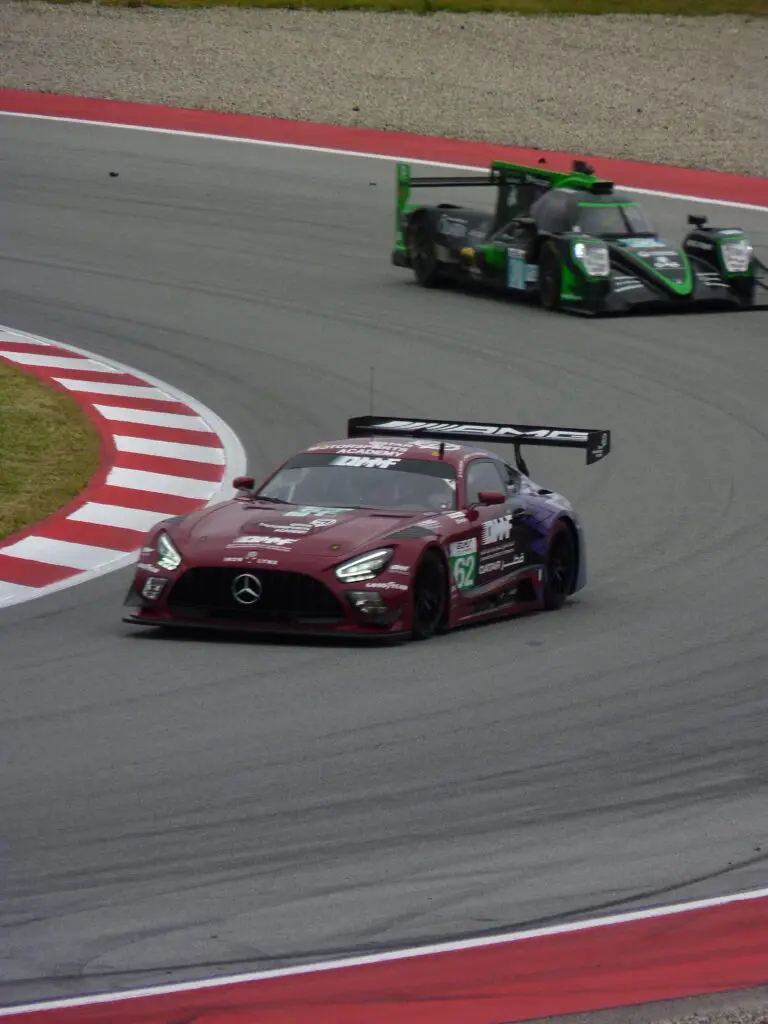
When it comes to categories that have defined endurance racing over the last two decades, it’s GT3.
Created by the FIA in 2006 to reduce costs and attract manufacturers and private teams, GT3 has become the world’s most important and widely used GT regulations.
GT3 cars, unlike prototypes, are based on production road cars, but are heavily modified for competition. They keep the visual identity of their roadgoing counterparts but boast sophisticated aerodynamics, purpose-built suspension, racing brakes and electronics for high performance motorsport.
Today GT3 is the most globally represented GT category, bringing some of the world’s most prestigious manufacturers into the fold and forming the backbone of many of the biggest endurance races.
A Rulebook Based on Fairness
A key element in GT3’s success is the Balance of Performance (BoP).
This system levels the playing field for all the competing cars by adjusting things like minimum weight, engine power, turbo boost pressure and ride height.
This levels the playing field for manufacturers with very different engineering philosophies and means that races are decided by driver performance, team strategy and execution rather than outright mechanical superiority.
This method allows naturally aspirated and turbocharged engines, front engine and mid-engine layouts and a variety of six, eight and ten cylinder configurations to compete together
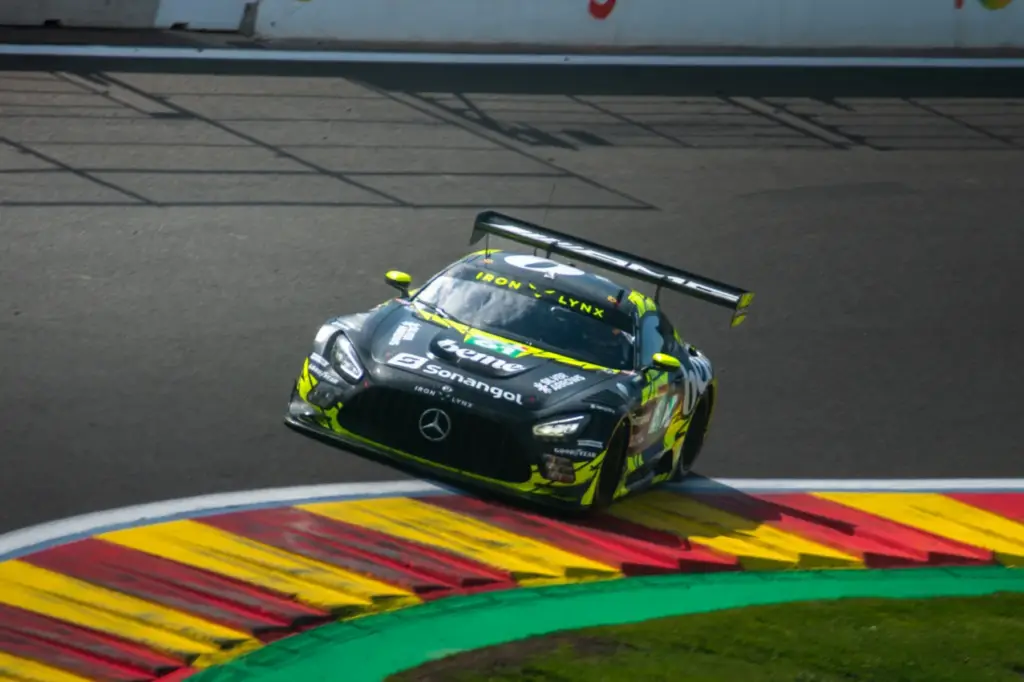
Specifications Technical
Power: 500-600 bhp depending on Balance of Performance.
Minimum weight : 1,250 – 1,350 kg (depending on model & BoP).
Engine: Production-specific engine architecture by manufacturer.
Hybrid system: None.
Top speed: Over 280 km/h (174 mph), over 300 km/h (186 mph) on tracks like Le Mans and Spa-Francorchamps.
Driver aids: ABS and traction control allowed.
Regulations: FIA GT3 regulations, adjusted by the Balance of Performance (BoP
Where Does GT3 Comepte?
GT3 is the most popular GT category by far in the world and features in championships such as:
- FIA World Endurance Championship (LMGT3)
- IMSA WeatherTech SportsCar Championship (GTD Pro & GTD)
- GT World Challenge Europe, America, Asia & Australia
- Michelin 24H Series
- DTM British
- GT Championship International
- GT Open
- Nürburgring Langstrecken-Serie (NLS)
- 24 Hours of Nürburgring
- Intercontinental GT Challenge
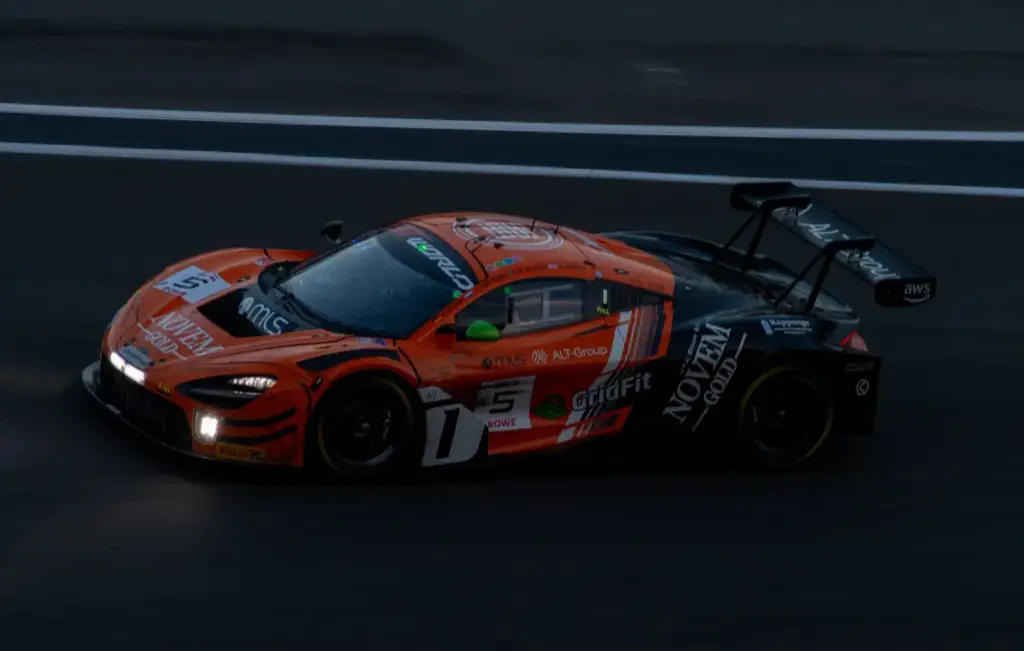
Current Manufacturers
- Porsche
- Ferrari
- BMW
- Mercedes-AMG
- Lamborghini
- Aston Martin
- McLaren
- Ford
- Chevrolet
- Lexus
- Honda
GT3 in WEC, IMSA & Other Championships
All cars are built to the FIA GT3 regulations, but each championship has its own sporting format that adapts the category.
In the FIA World Endurance Championship (WEC), the GT3 cars are competing in the LMGT3 class, which has regulations adapted for endurance racing and driver line-ups specifically designed for the championship.
The IMSA class is divided into GTD Pro, for pro factory-supported teams and drivers, and GTD, where Pro-Am entries make up the bulk of the grid.
Meanwhile championships such as GT World Challenge, DTM and the Michelin 24H Series have also adopted GT3 as their top category with only minor sporting changes to suit their own competition formats
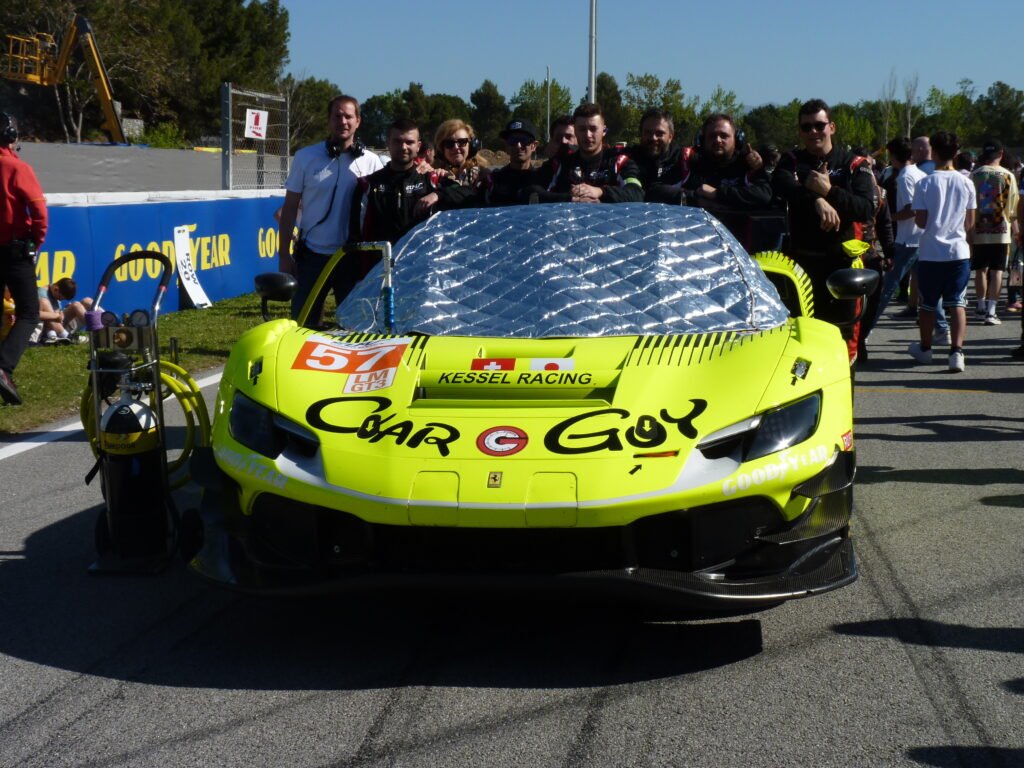
Why is the GT3 so special?
GT3 has done what very few racing categories have been able to do: bring together manufacturers from all over the world under one set of technical regulations, while keeping the costs relatively bearable for customer teams and the level of competition through the Balance of Performance remarkably close.
Available in nearly every major GT and endurance championship, GT3 has become the worldwide standard for modern day Grand Touring racing. Today, any manufacturer that wants to compete at the top level of GT motorsport develops a GT3 car, which in turn reinforces a rulebook that, nearly twenty years after its introduction, remains the undisputed reference in endurance racing.
GT4
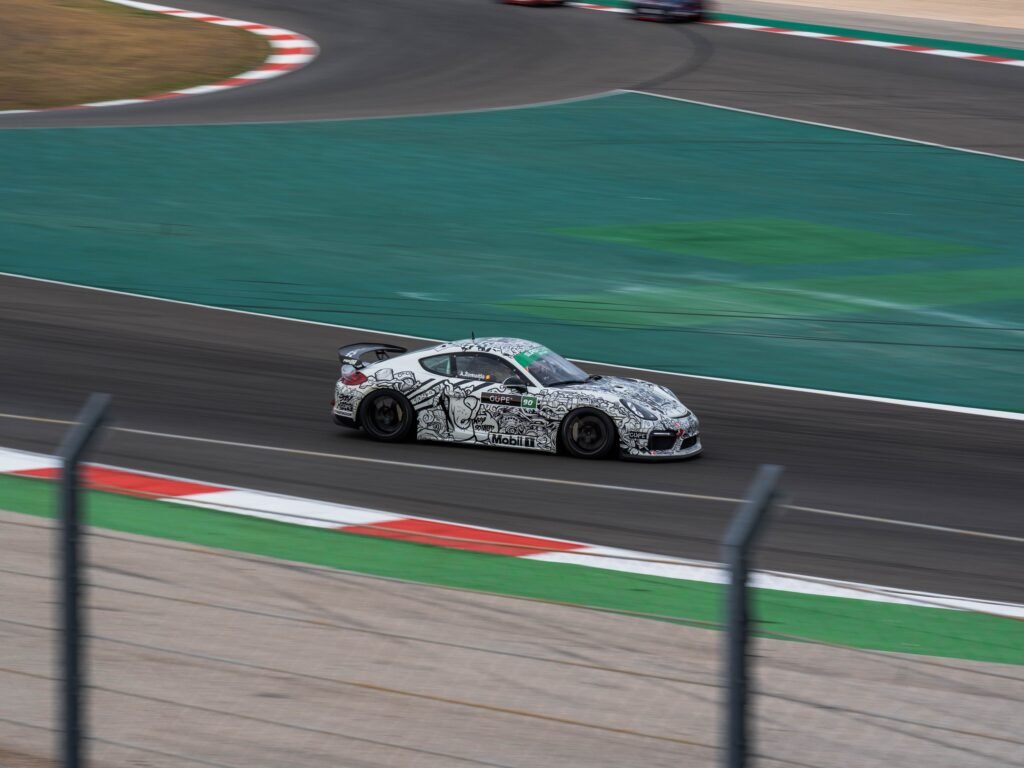
GT3 is the pinnacle of Grand Touring racing, but GT4 is the first major step for many drivers and teams entering the world of GT motorsport.
The GT4 class was developed in 2007 by SRO Motorsports Group to provide a less expensive alternative to GT3, while maintaining the philosophy of racing production-based vehicles. It’s now the ideal gateway for a lot of drivers to progress to other categories, aided by the much lower costs and less stringent technical rule book.
Often referred to as a step up class, GT4 cars are anything but unimpressive and consistently deliver the most competitive racing in international motorsport.
A Rulebook for Production Cars
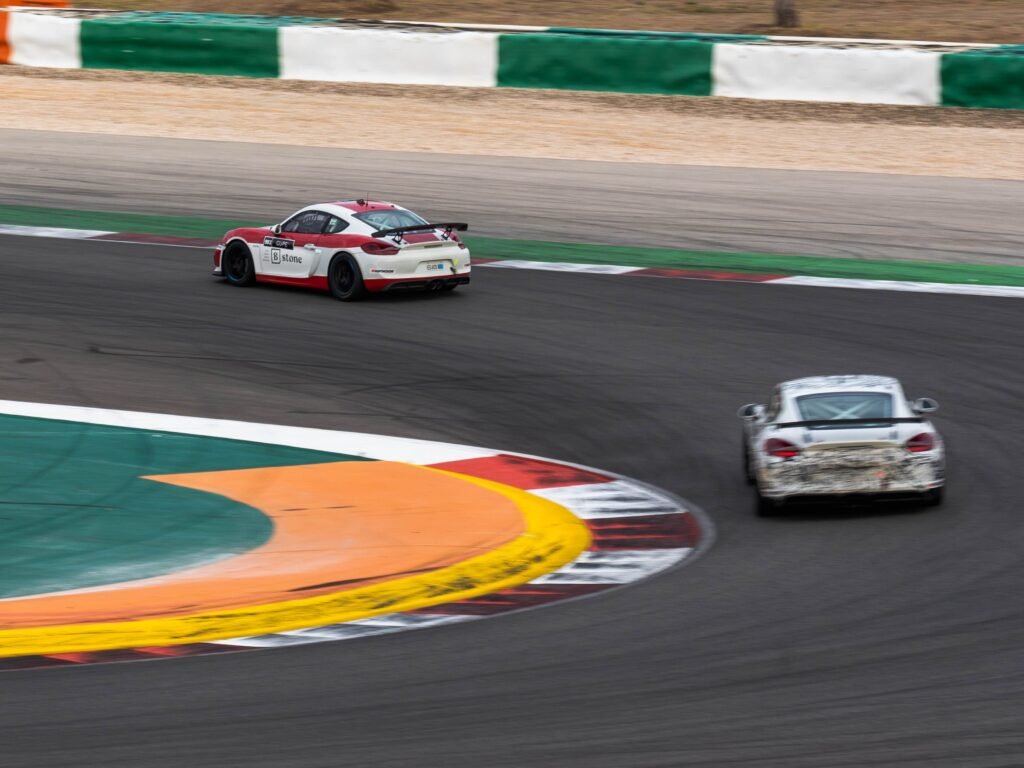
A GT4 car, rather than a GT3 car, keeps a lot more parts from the road car. The aerodynamics are much simpler, the engine power is lower, the scope for modifications is much more limited.
As in GT3, the Balance of Performance (BoP) is applied to make cars from different manufacturers perform equally, allowing cars with very different layouts and characteristics to compete on the same level.
The result is a very competitive category with lower operating costs, and a broad range of manufacturers
Technical Specs
Power: 400-500 hp, subject to Balance of Performance.
Minimum weight: 1,300-1,500 kg, depending on model.
Engine: Production.
Hybrid System: None.
Top Speed: In excess of 260 km/h depending on circuit.
Electronic Aids: ABS and traction control allowed.
Regulations: SRO-homologated GT4 regs, Balance of Performance.
Where Do GT4 Cars Compete?
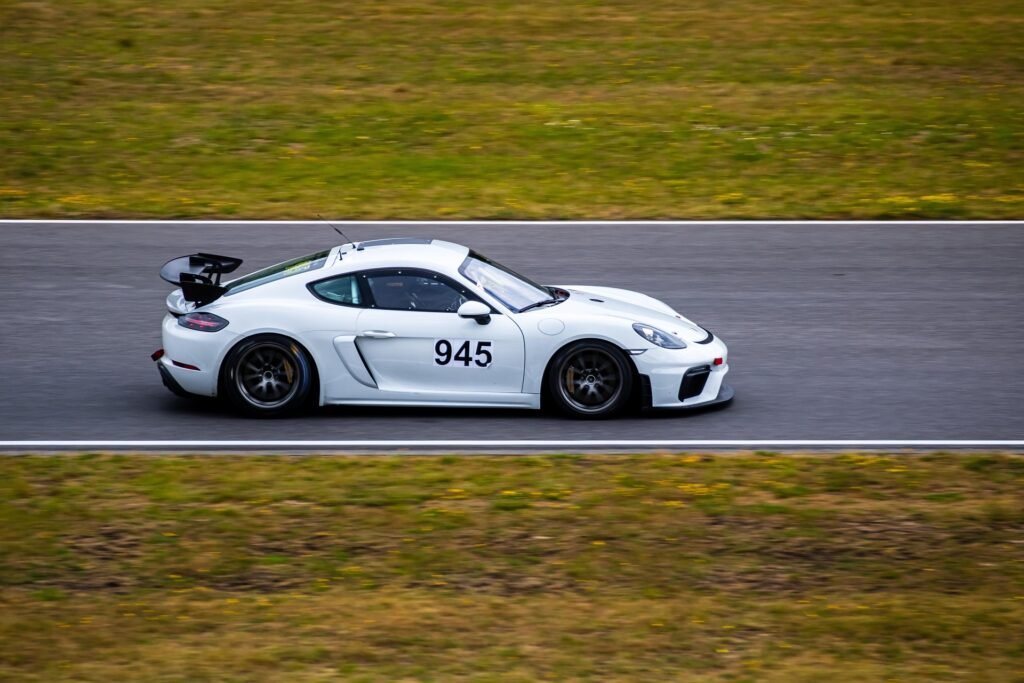
GT4 cars race in a number of international championships including:
British GT Championship
GT4 European Series
Michelin 24H Series IMSA Michelin Pilot Challenge (GSP)
Spanish GT Championship (selected races)
Several GT championships, national and international
GT4 cars are also frequently seen in endurance races of 12, 24 and 6 hours.
Current Producers
- Aston Martin
- BMW
- Ford
- Mercedes-AMG
- Porsche
- McLaren
- Toyota
- Alpine
- Lotus
- Chevrolet
- Ginetta
What makes GT4 Special?
GT4 is the perfect mix of performance, cost and accessibility. It allows competitors to race cars very close to road-going variants and offers a performance level that can help develop drivers and engineers before they step up to GT3.
GT4 has become one of the fastest growing categories in international motorsport thanks to its rules, Balance of Performance system and the great diversity of manufacturers represented, making it the main entry point into the world of Grand Touring racing.
See you on Part 2:
In the Meanwhile come and visit the following article;
https://enduvision.com/bop-a-solution-born-from-the-absolute-dominance-of-a-single-car/