

The World Endurance Championship ( WEC ) was never supposed to race at the Circuit de Barcelona-Catalunya in 2026. Barcelona only joined the calendar in July after the planned rounds in Qatar and Bahrain were cancelled. In just a few months the Catalan track had to get ready to host the world’s top endurance manufacturers for the first 6 Hours of Barcelona.
The event drew 55,511 spectators over the three days. That is a solid first figure for a race that arrived with so little preparation time. Beyond Toyota’s manufacturers title and everything that happened on track, the weekend left one big question: can Barcelona become a regular WEC venue, or was this just a one-off solution?
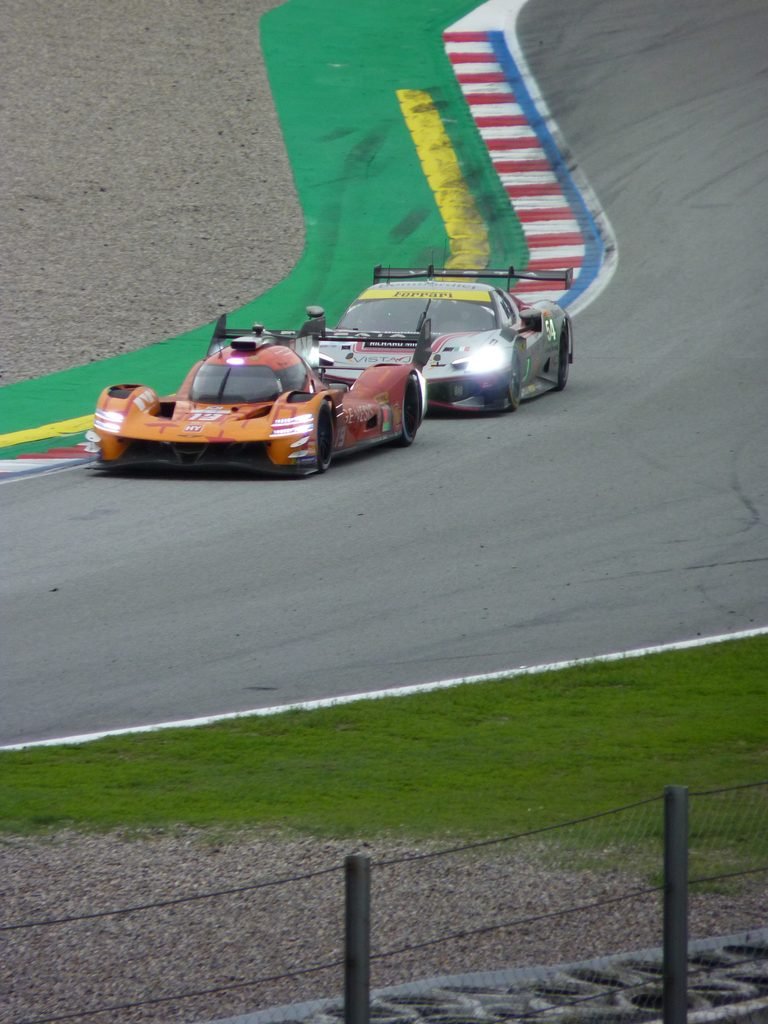
Organisation against the clock
Putting on a world championship event in only a few months is a serious challenge. Teams, manufacturers, organisers and commercial partners all have to coordinate transport, accommodation, staff and the full technical set-up for an international race.
Barcelona did not arrive as part of a planned expansion. It was a response to an exceptional situation. When the Qatar and Bahrain races were cancelled, the championship needed alternatives to finish the season. The announcement came on 28 July, with the race set for 16–18 October.
Despite the tight window, the circuit welcomed the full WEC grid of Hypercars and LMGT3 cars. Toyota secured the manufacturers title. Miguel Molina gave Spanish fans a local hero on the Hypercar podium with Ferrari.
An endurance race is more than six hours of competition. The fan experience matters too. Activities for spectators, driver meetings and chances to get close to the teams and cars help turn the weekend into something bigger than just a race.
Barcelona started with an advantage here. The circuit already knows how to run international events and has a history with endurance racing through the European Le Mans Series and the Michelin Le Mans Cup.
The real test was not just getting the cars on track. It was offering an experience that could pull in fans who do not normally follow the WEC.
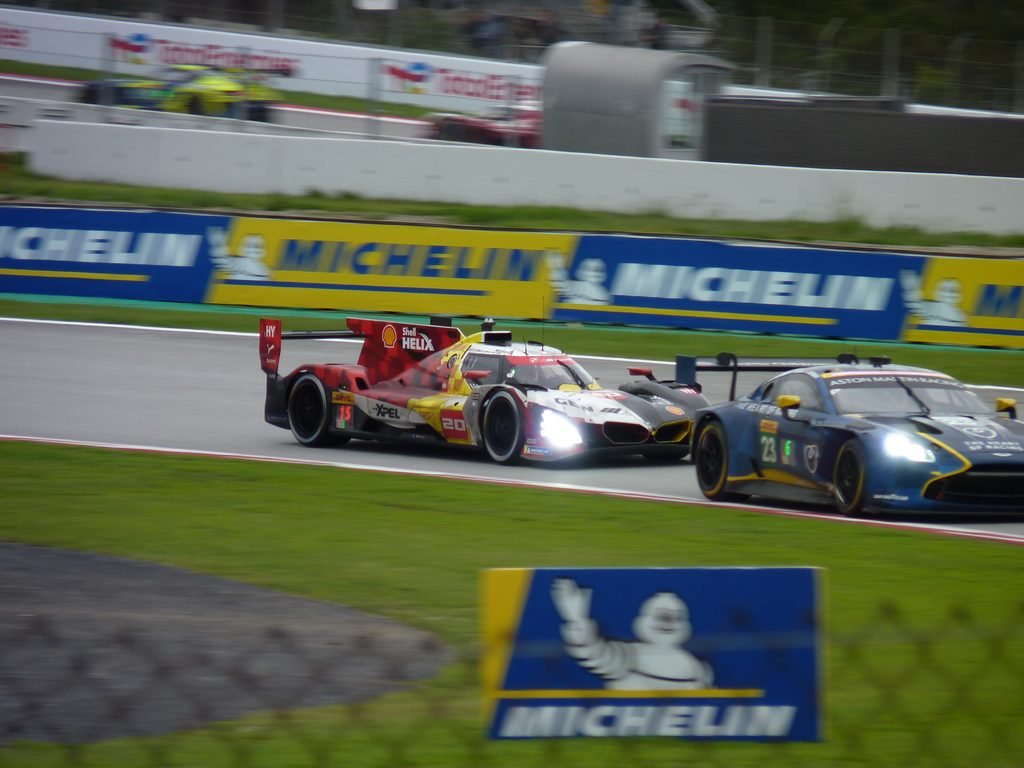
55,511 spectators: how does Barcelona compare?
Attendance is one of the main ways to judge the debut. The 55,511 total over three days gives a first measure of the interest the championship generated in Catalonia.
Context helps. The 2025 6 Hours of Fuji drew 66,400 spectators across the weekend, with 39,700 on Sunday. The 2026 6 Hours of Spa-Francorchamps set a record with 101,606.
Barcelona sits below both, but the numbers need careful reading. Not every circuit has the same local market, racing tradition, supporting programme or ability to promote an event.
Barcelona also had a clear disadvantage: the race was only confirmed at the end of July. That left far less time to build awareness and attract new spectators.
For a championship that shares media space with Formula 1 and MotoGP, bringing in people who are new to endurance racing is an extra challenge. Many may recognise the manufacturers and the cars but not the differences between Hypercar and LMGT3, the race strategies or how a six-hour event actually works.
So 55,511 is a useful starting point, but it is not enough on its own to judge the event’s success. Day-by-day attendance, the type of crowd and the economic impact around the circuit would all add useful detail.
Why Barcelona fits the WEC calendar
Even though it arrived as a last-minute solution, Barcelona has several points in its favour for a possible return.
First is the circuit’s experience. Its facilities, infrastructure and knowledge of top-level procedures give it a solid base for hosting a world championship event.
Second is the location. Barcelona is an international city with good transport links and plenty of hotels. That helps fans, teams and industry people get there, and it also opens commercial possibilities for sponsors and partners.
There is a sporting angle too. Spanish drivers such as Miguel Molina, Álex Riberas and Dani Juncadella race at the highest level of endurance. Having local names to follow can help build interest beyond a single weekend.
The on-track story also helped. The championship fight, Toyota’s title and Molina’s podium gave the media and fans clear reasons to pay attention.
A good circuit and an attractive city are not enough on their own, though. Permanent places on the calendar depend on commercial terms, agreements with the organisers, logistics and whether the teams can afford another race.
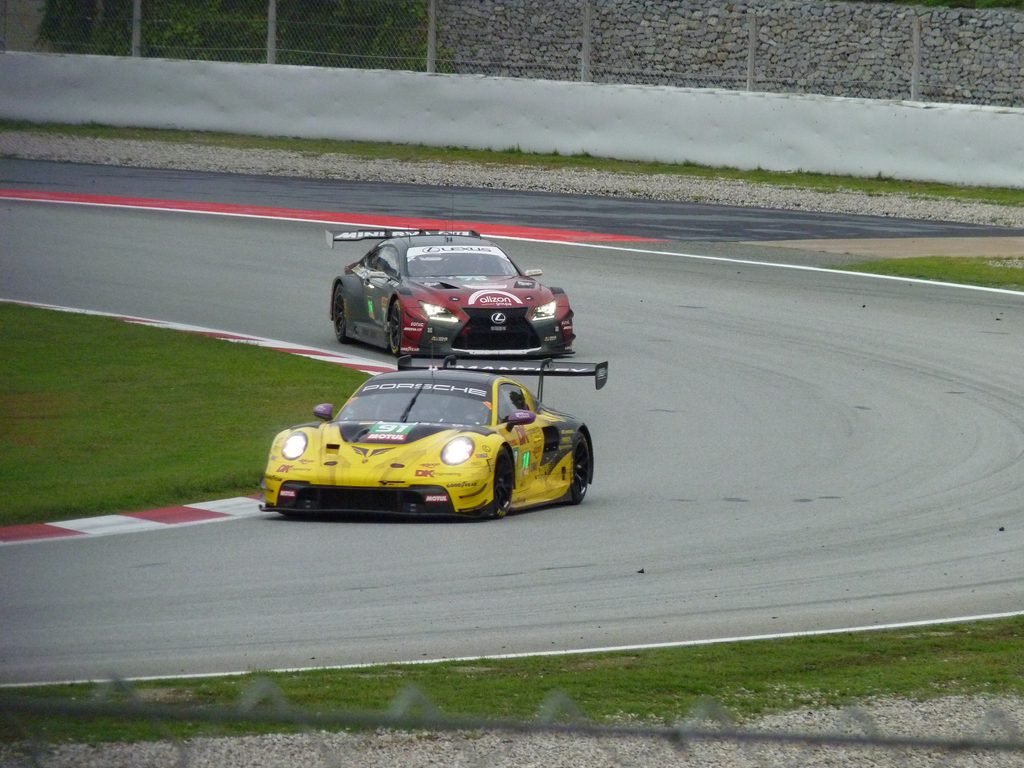
Will the WEC come back?
That is the question that has drawn the most attention since the weekend.
After the race, ACO president Pierre Fillon and FIA WEC CEO Frédéric Lequien both spoke about the possibility of Barcelona returning. Lequien did not rule out a place on the 2028 calendar, but he made clear that several factors still need studying. Team budgets are high on the list. Every extra race brings extra costs in transport, staff, preparation and logistics.
Expanding the calendar is not just about finding an available circuit. Manufacturers and teams have to decide whether they can handle a longer season without stretching their resources. In a global championship where intercontinental travel already weighs heavily, economic sustainability is a real issue.
The situation in the Middle East will also matter. The WEC will watch how the region develops through 2027, both for logistics and for longer-term planning. If conditions make certain races difficult, Barcelona could re-enter the conversation. That does not mean a place is guaranteed or that a deal for 2028 already exists.
The distinction is important. Barcelona has shown it can host a WEC race under exceptional circumstances. Whether there is a viable way to make it a regular fixture is still to be decided.
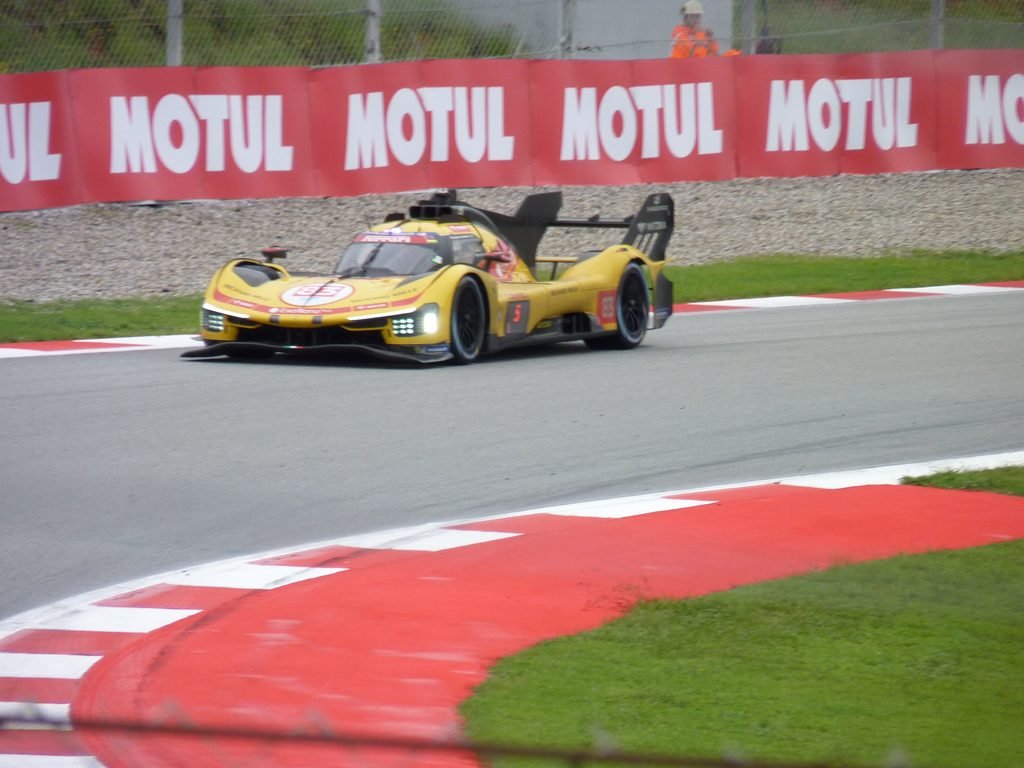
A promising debut, but no guarantees
The first 6 Hours of Barcelona delivered three clear results: a race that mattered for the championship, 55,511 spectators across the weekend, and proof that the circuit could organise a top-level endurance event with limited preparation time.
Attendance was lower than Spa and Fuji, but those numbers are reference points rather than a ranking of success. Barcelona had less time to promote its debut. If it returns, it would have the chance to build a larger audience from the start.
The real test will be turning initial interest into a lasting connection between the championship and Spanish fans. Promotion, the spectator experience and a race that works commercially for everyone involved will all be key.
Barcelona has put forward arguments for more than a one-time replacement. What happens next depends on the championship’s decisions, team budgets and the wider international situation.
For now the debut has shown that Barcelona can be a genuine option for the WEC. Whether this first experience becomes the start of something longer remains an open question.
Read more articles about WEC !
https://enduvision.com/six-hours-one-winner-toyota-conquers-barcelona/
WEC official page:
Leave a Reply