
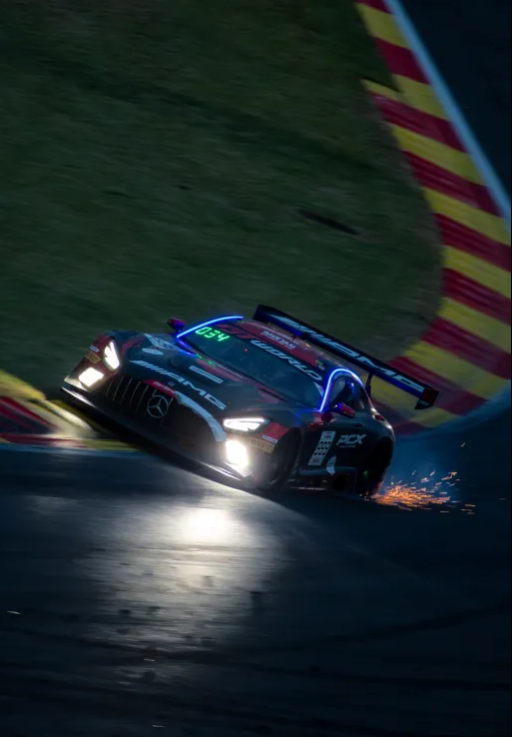
We all know the GT3 category and recognize that it is the main focus of most Grand Touring championships today.
From the 24 Hours of Spa and the 24H Series to the GT World Challenge, DTM, IMSA, and British GT, GT3 has become the global benchmark regulation.
But how has a category launched in 2006 managed to survive for almost twenty years and keep growing without any signs of running out of steam?
At EnduVision today, we explore the origins of GT3, the factors behind its success, and why it remains the most significant regulation in GT racing.
The Birth of GT3
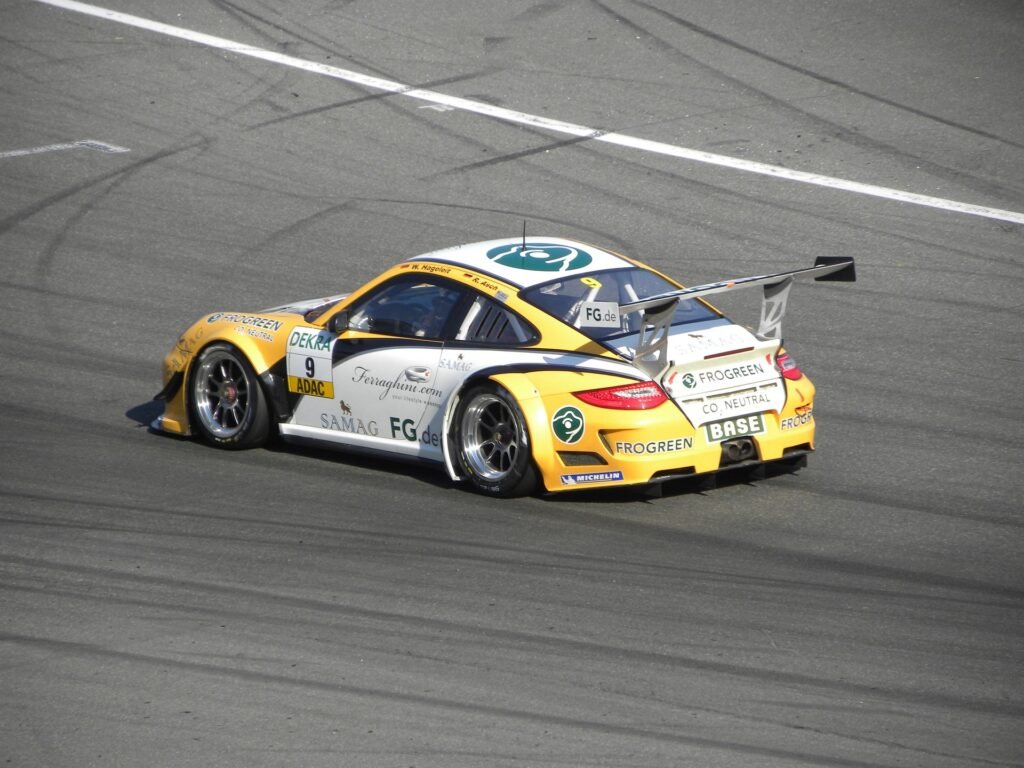
During the early 2000s, GT categories faced a challenging time.
Regulations like GT1 and GT2 had become so technologically and financially demanding that they were barely sustainable for most privateer teams, which were a key part of GT racing at the time.
Car development costs were rising sharply, and the divide between factory-supported teams and private entries continued to grow.
Reaching the highest level of competition was becoming a privilege for only a select few, while the starting fields were losing participants.
In response to this situation, promoter Stéphane Ratel, alongside the FIA, advocated for a new regulation with a clear philosophy:
Establishing a category based on production-derived cars, featuring strict cost controls and designed primarily for customer teams.
Consequently, the GT3 category was established, making its official debut in 2006 at the FIA GT3 European Championship.
Its debut race at Silverstone featured 44 cars, demonstrating from the very first weekend that the new concept directly addressed the needs of GT motorsport.
The Keys to GT3’s Success
Establishing a new regulation alone was insufficient to ensure success.
To draw in manufacturers and privateer teams, a sustainable, competitive, and economically sound racing model had to be provided.
GT3 achieved that balance thanks to several key foundations.
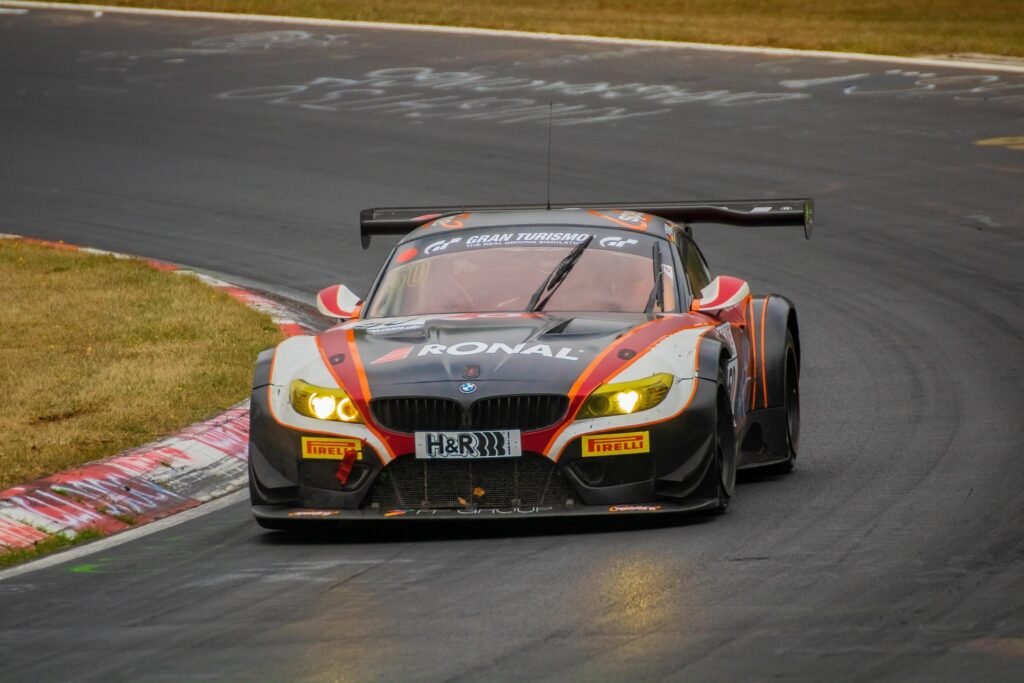
1. A regulation created for manufacturers and customer teams.
Unlike other GT categories of that time, GT3 regulations allowed manufacturers to build race cars based on production models without facing the huge expenses.
The aim wasn’t to create the most technologically advanced car, but instead to provide a reliable, competitive, and, accessible vehicle for customer teams.
This method enabled an increasing number of brands to create their own GT3 models, quickly broadening the selection of available cars.
Within a few years, Porsche, Ferrari, Mercedes-Benz, BMW, Lamborghini, Audi, Aston Martin, McLaren, and many other manufacturers,
Started competing under the same rules, giving teams a wide range of choices based on their budget, preferences, or championship goals.
Moreover, the business model was advantageous for everyone involved.
Manufacturers could recoup some of their investment by selling cars, spare parts, and providing technical support, while customer teams received factory-backed vehicles designed to compete for victory.
2. Balance of Performance: The Key to Equality.
Another key factor in GT3’s success was the introduction of the Balance of Performance (BoP).
This system seeks to level the playing field for all cars by adjusting parameters like minimum weight, engine power, turbo boost pressure, and ride height.
Its goal is to stop any one manufacturer from dominating the market just by having a better car.
Thanks to BoP, cars with vastly different designs like a rear-engine, mid-engine Ferrari, or a front-engine can compete on nearly equal footing.
Consequently, races are now more often determined by teamwork, strategy, reliability, and driver skill
Instead of relying solely on the mechanical capabilities of each car.
A Porsche can compete for victory against a Ferrari, BMW, Mercedes-AMG, or Lamborghini, demonstrating performance across the entire range. The weekend carries much greater weight in the final result.
A Global Presence
GT3’s success soon spread beyond the European Championship. What started as a rule meant to bring back GT racing quickly became the global standard.
At present, GT3 is the top class in racing series like:
GT World Challenge
IMSA WeatherTech SportsCar Championship
DTM
British GT
International GT Open
Nürburgring Langstrecken-Serie (NLS)
24H Series
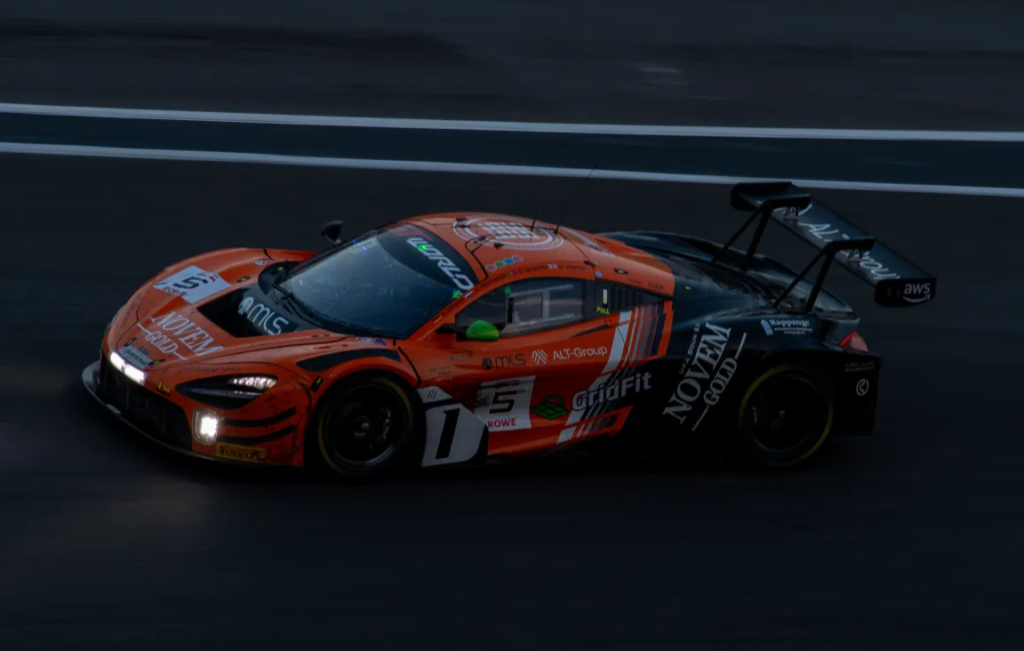
It’s also found in some of the world’s most significant endurance races. 24 Hours of Spa, Nürburgring, Dubai, Barcelona.
Up to Daytona, Le Mans, Sebring and many others
A Car to Race and to Sell
Another significant achievement of the GT3 regulations was its business model.
Unlike other categories where manufacturers built cars mainly for their own factory teams, GT3 cars were designed from the start for customer teams.
This means that any team with the necessary budget can buy a car directly from the manufacturer and compete at the highest level.
Brands like Porsche, Ferrari, Mercedes-AMG, BMW, Lamborghini, Aston Martin, McLaren, Ford, Chevrolet, Honda, and Lexus not only create their GT3 models but also provide technical support, spare parts, and customer racing programs.
This system has established a strong and sustainable market where manufacturers and privateer teams both gain benefits.
Manufacturers recoup some of their investment through sales, allowing teams to compete with top-tier machinery without having to develop their own car.
A Regulation That Keeps Growing
Instead of showing signs of fatigue, the GT3 category keeps evolving. Every few years.
New homologated models arrive, manufacturers update their vehicles, and new ones are introduced. Championships adopt this regulation as their main category.
The real genius of GT3 was not any single technical rule. It was the ecosystem those rules created: manufacturers could sell cars, teams could buy proven machinery, drivers could find seats across different levels, and championships could build large grids without forcing every entrant to become a manufacturer themselves
have turned GT3 into one of the most successful series in recent motorsport history.
Almost twenty years after its introduction, few could have imagined the impact of the regulation.
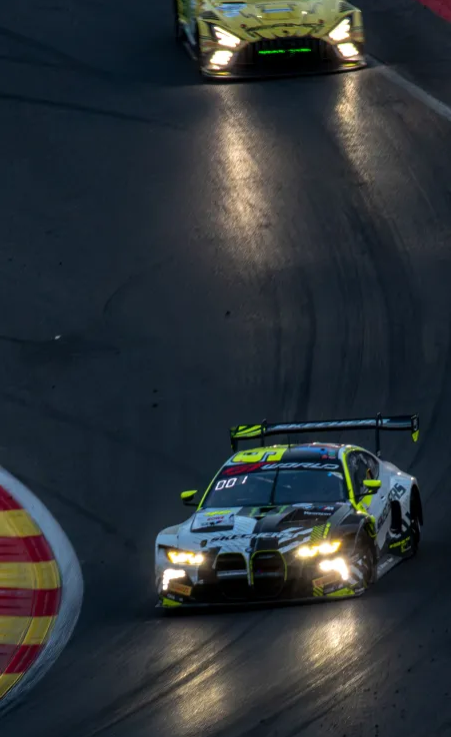
Twenty years later, the category has become the common language of modern GT racing.
It dominates starting grids while also representing the perfect balance between spectacle, competitiveness, and sporting sustainability
Conclusion
What started in 2006 as a rule to cut costs and bring privateer teams back into the spotlight has now become the top standard in Grand Touring racing.
GT3 has demonstrated that it is possible to unite manufacturers with vastly different philosophies under a single set of rules,
Sustain high levels of competition, and deliver thrilling racing without costs spiraling out of control.
While other categories have vanished or had to reinvent themselves, GT3 keeps growing by adding new manufacturers and strengthening its presence in the world’s most important endurance races.
All signs suggest that the story is not yet finished. The main question is no longer how it arrived here, but how long it will stay the standard for GT racing.
At EnduVision, we will keep examining its development, key figures, and every element that made GT3 one of the biggest revolutions in modern motorsport.
If you find out interesting our article, we recommend you the previous 24H Series
https://enduvision.com/2026-24h-barcelona-fermin-velez-trophy-everything-you-need-to-know/
Or if you want to learn about the history of the BoP
https://enduvision.com/bop-a-solution-born-from-the-absolute-dominance-of-a-single-car/
https://www.britishgt.com/news/1249/history-in-the-making-how-gt3-began-with-a-bang-in-2006?
https://www.fia.com/events/gt3/season-2014/gt3-european-championship
https://www.gt3europe.com/histor